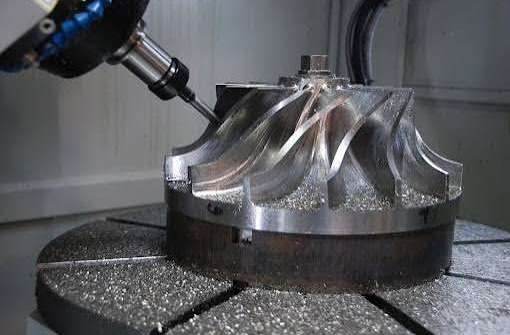
CNC turning and milling are subtractive processes that excel at producing precise parts from a wide range of CNC turning and milling materials. Turning is ideal for cylindrical components, while milling handles complex geometries with pockets, slots, and contours. The best material depends on machinability, strength, weight, corrosion resistance, cost, and application—whether aerospace needs lightweight titanium or medical requires biocompatible PEEK.
In 2026, trends include sustainable recycled alloys, advanced high-performance plastics, and easier-to-machine grades for faster production. This guide ranks the top 12 CNC turning and milling materials based on popularity, versatility, and insights from leading sources like Facturee, Norck, Spanflug, and more.
Each entry covers properties, pros/cons, applications, and tips for turning vs. milling.
Aluminum (e.g., 6061, 7075): The Most Versatile Choice
Aluminum dominates CNC work for its balance of properties and ease of machining.
Key Properties
- Density: ~2.7 g/cm³
- Tensile Strength: 310 MPa (6061) to 572 MPa (7075)
- Machinability: Excellent
Pros
- Lightweight, corrosion-resistant, anodizes well
- Fast machining speeds, low tool wear
Cons
- Softer than steels; lower fatigue in cyclic loads
Applications
- Aerospace frames, automotive parts, enclosures, prototypes
Turning vs Milling
Both are excellent: turning for shafts and milling for housings.
2026 Trend
High-recycled content for sustainability.
Stainless Steel (e.g., 304, 316, 303): Corrosion-Resistant Durability
Essential for harsh environments and hygienic applications.
Key Properties
- Tensile Strength: ~500-700 MPa
- Corrosion Resistance: Excellent (especially 316)
Pros
- Strong, hygienic, weldable
- 303 grade offers better machinability
Cons
- Work hardening; higher tool wear
Applications
- Medical instruments, food processing, marine fittings
Turning vs Milling
Good for both; use coolant to manage heat.
Brass: Machinability and Aesthetics
Free-cutting alloy perfect for intricate details.
Brass CNC Machined 5/16″ ID x 1/8″ Male NPT Compression Connector Fitting Adapter | eBay
Key Properties
- Machinability: Outstanding
- Conductivity: High
Pros
- Short chips, polished finishes
- Antimicrobial, corrosion-resistant
Cons
- Lower strength than steels
Applications
- Valves, fittings, connectors, decorative parts
Turning vs Milling
Ideal for both; excels in high-volume turning.
2026 Trend
Lead-free eco-variants.
Titanium (e.g., Grade 5 Ti-6Al-4V): High-Performance Strength
Premium for demanding sectors.
Key Properties
- Strength-to-Weight: Exceptional
- Biocompatibility: High
Pros
- Heat/corrosion resistant
- Lightweight yet tough
Cons
- Low machinability; expensive
Applications
- Aerospace engines, medical implants
Turning vs Milling
Challenging—use low speeds, rigid tools.
Carbon/Alloy Steel (e.g., 1045, 4140, 12L14): Affordable Strength
Cost-effective for structural parts.
Key Properties
- Tensile Strength: 500-1000+ MPa
- Machinability: Good (especially leaded grades)
Pros
- Strong, weldable, heat-treatable
- Low cost
Cons
- Prone to rust (needs coating)
Applications
- Shafts, gears, machinery components
Turning vs Milling
Excellent for turning cylindrical parts.
Copper: Superior Conductivity
For thermal/electrical needs.
Key Properties
- Conductivity: Outstanding
- Machinability: Good
Pros
- Ductile, corrosion-resistant
Cons
- Soft; built-up edge risk
Applications
- Heat sinks, electrical contacts
PEEK: Metal-Replacing Plastic
High-performance polymer for extremes.
Key Properties
- Temp Resistance: Up to 260°C
- Chemical Resistance: Excellent
Pros
- Lightweight, biocompatible
- Self-lubricating
Cons
- High cost
Applications
- Aerospace bushings, medical devices
POM/Delrin (Acetal): Precision Plastic
Dimensional stability leader.
Key Properties
- Low Friction/Moisture Absorption
Pros
- Excellent machinability
- Wear-resistant
Applications
- Gears, bearings, precision components
ABS: Prototyping Favorite
Affordable and tough.
Pros
- Easy to machine, impact-resistant
Applications
- Enclosures, consumer prototypes
Nylon (PA): Flexible and Tough
Wear-resistant engineering plastic.
Pros
- Self-lubricating, chemical-resistant
Cons
- Moisture absorption
Applications
- Bushings, fasteners
Polycarbonate (PC): Transparent Toughness
Shatter-resistant.
Applications
- Lenses, guards
Tool Steel: Extreme Hardness
For molds and dies.
Pros
- Wear-resistant post-treatment
Applications
- Tooling, stamps
Quick Comparison Table
| Rank | Material | Machinability | Strength | Cost | Weight | Best For |
|---|---|---|---|---|---|---|
| 1 | Aluminum | Excellent | Medium | Low | Light | Prototypes/Aerospace |
| 2 | Stainless Steel | Good | High | Medium | Heavy | Medical/Marine |
| 3 | Brass | Outstanding | Medium | Medium | Medium | Fittings/Electrical |
| 4 | Titanium | Fair | Very High | High | Light | Aerospace/Medical |
| 5 | Carbon Steel | Very Good | High | Low | Heavy | Structural |
| 6 | Copper | Good | Medium | Medium | Heavy | Conductive |
| 7 | PEEK | Good | High | High | Light | High-Temp |
| 8 | POM/Delrin | Excellent | Medium | Medium | Light | Precision Gears |
| 9 | ABS | Excellent | Medium | Low | Light | Prototypes |
| 10 | Nylon | Good | Medium | Low | Light | Wear Parts |
| 11 | Polycarbonate | Good | High | Medium | Light | Transparent |
| 12 | Tool Steel | Fair | Very High | Medium | Heavy | Tooling |
How to Choose CNC Turning and Milling Materials
- Define needs: Strength? Weight reduction? Corrosion?
- Consider process: Turning for round parts (e.g., steel shafts); milling for complex parts (e.g., aluminum housings).
- Machinability first for cost/speed.
- Prototype with aluminum/ABS; production with performance grades.
- Factor sustainability and post-processing (anodizing, passivation).
Final Thoughts
These CNC turning and milling materials cover most projects—from everyday aluminum to exotic PEEK. Start with aluminum for versatility or stainless for durability.
What’s your favorite material for turning/milling? Share your project details below.

Ryan Wang
Ryan Wang is the CNC Machining Expert at Cncpioneer, with over 15 years of hands-on experience as a CNC programmer, process engineer, senior machinist, and precision manufacturing specialist. He has helped companies in aerospace, automotive, medical, and electronics sectors achieve micron-level tolerances and scale from prototypes to high-volume production. Ryan is also an experienced instructor in advanced CNC techniques, particularly five-axis machining and challenging materials.