Watchmaking is one of the most respected crafts in the world. For centuries, skilled artisans used hand tools to create intricate mechanical timepieces with incredible detail and accuracy. However, traditional methods are slow, labor-intensive, and limited by human precision.
Today, CNC watchmaking changes everything. CNC (Computer Numerical Control) machines use computer programs to control tools, delivering perfect repeatability, micron-level accuracy, and faster production. Whether you’re an independent watchmaker or a hobbyist starting out, CNC for watchmaking lets you produce complex parts like cases, dials, bridges, and gears with consistency that manual work can’t always match.
This pillar guide explains the full journey: from classic hand techniques to modern watchmaking CNC systems. You’ll learn the main benefits, best machines, real-world success stories, step-by-step tutorials, and answers to common questions.
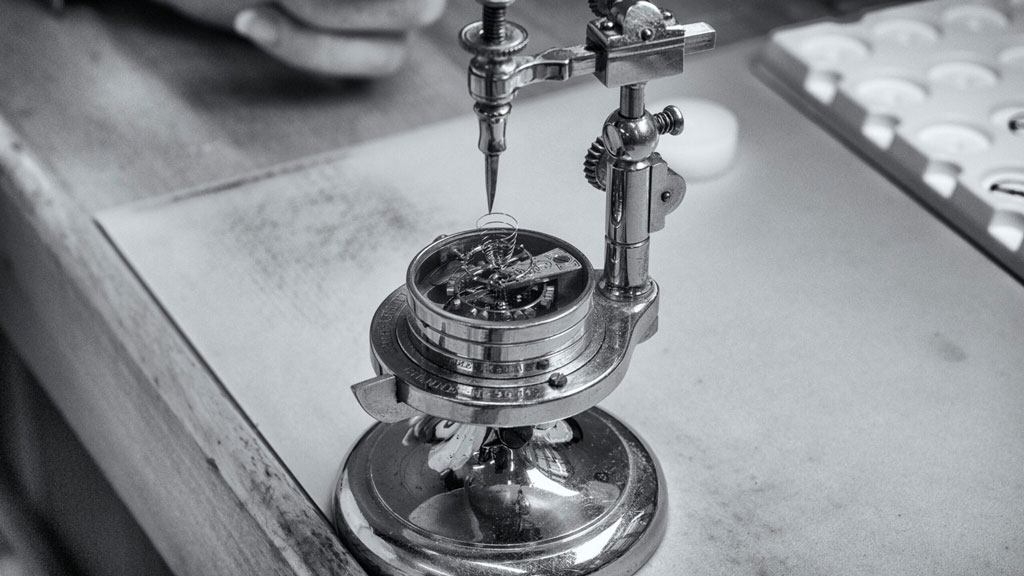
What Is CNC Watchmaking?
CNC watchmaking means using computer-controlled machines to make watch parts. Instead of guiding tools by hand, the operator creates a digital design in CAD software, then uses CAM software to generate tool paths. The CNC machine follows these instructions exactly.
Key features for watch applications:
- Extremely tight tolerances (often 0.001–0.005 mm)
- Ability to machine hard materials like stainless steel, titanium, brass, and gold
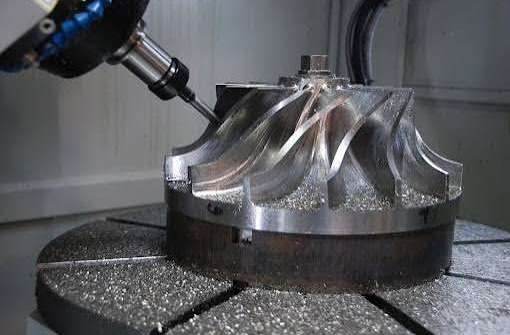
- Support for 3-axis, 4-axis, or 5-axis movement for complex shapes
Common parts produced with CNC machines for watchmaking:
- Watch cases and bezels
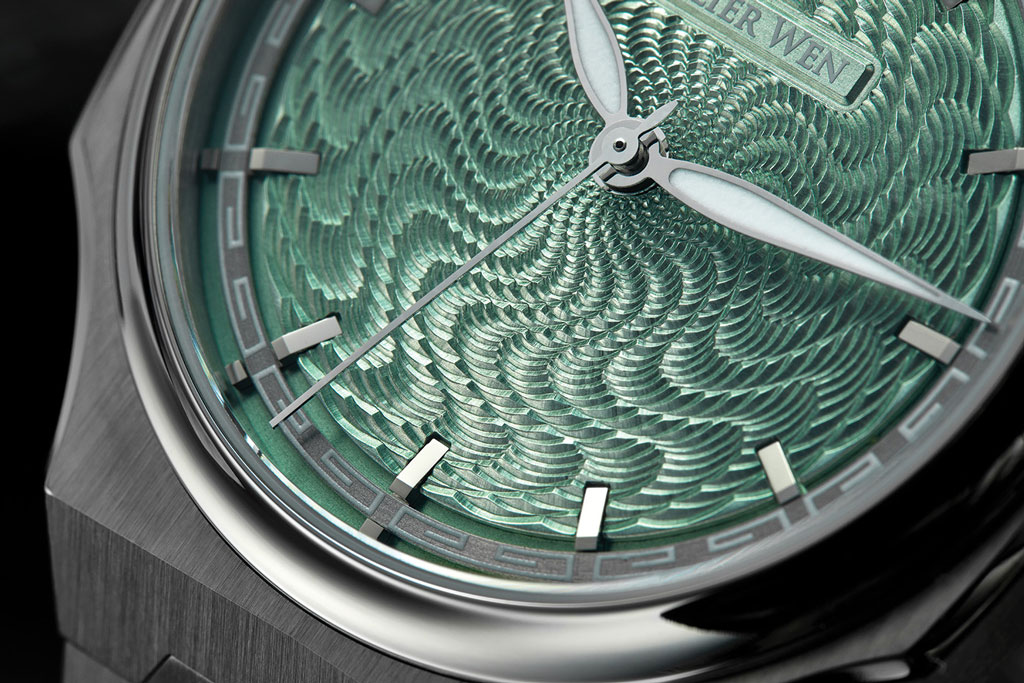
- Dials with engraved patterns
- Movement plates, bridges, and gears
- Guilloché-decorated surfaces
CNC doesn’t replace the artisan – it enhances their work. Many luxury brands use CNC for rough shaping, then apply hand-finishing for that unique polished look.
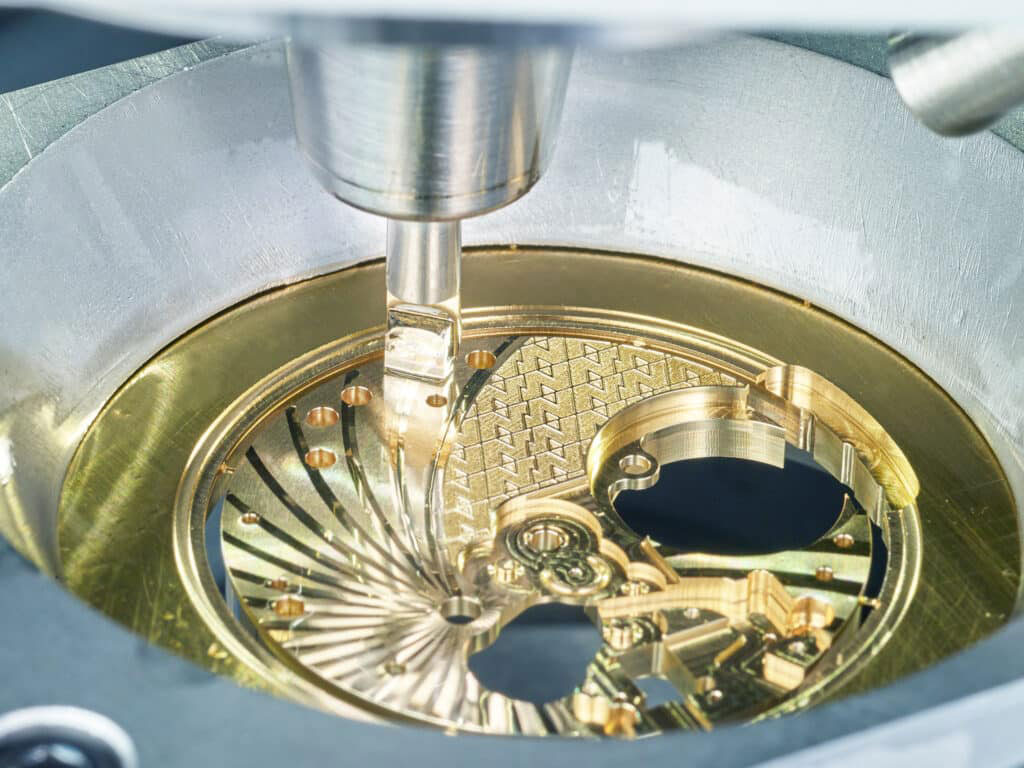
Evolution: Traditional to Modern Watchmaking
Watchmaking began in the 1500s–1600s in Europe, especially Switzerland. Pioneers like Abraham-Louis Breguet created masterpieces using simple lathes, files, and hand tools. Every part was shaped, polished, and assembled by hand – a process that could take months.
In the 20th century, numerical control appeared, evolving into full CNC by the 1980s–1990s. Major brands adopted it for mass production while keeping hand-finishing for high-end models.
Key milestones:
- 1980s: Early CNC mills for consistent gear cutting
- 2000s: 5-axis machines enable complex undercuts
- Today: Hybrid workflows – CNC for accuracy, handwork for artistry
This shift makes watchmaking more accessible. Small workshops can now produce professional-grade parts without huge teams.
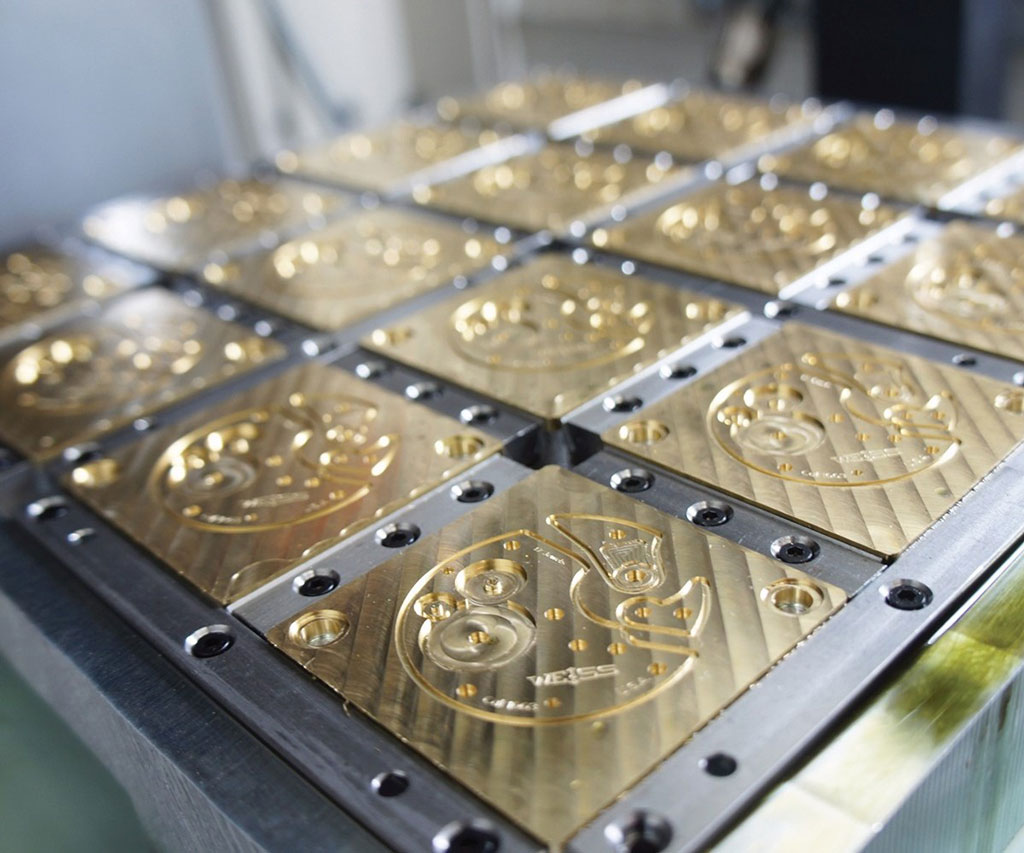
Major Benefits of CNC in Watchmaking
Using CNC for watchmaking brings clear advantages:
- Superior Precision – Achieves tolerances impossible by hand, ensuring smooth gear meshing and reliable timekeeping.
- Perfect Repeatability – Every part matches exactly, ideal for limited editions or repairs.
- Faster Production – Reduce weeks of handwork to hours or days for batches.
- Complex Geometries – Easily create skeletonized movements, undercuts, or detailed engravings.
- Less Waste – Optimized tool paths minimize material loss.
- Scalability – From one-off prototypes to small production runs.
- Customization – Program unique patterns or client-specific designs quickly.
Challenges exist: high initial cost, learning curve for CAD/CAM, and need for maintenance. But for serious watchmakers, the return on investment is strong through better quality and efficiency.
Recommended CNC Machines for Watchmaking
The right CNC machine for watchmaking depends on budget, space, and experience level. Here’s a comparison of popular options in 2026:
| Machine | Type | Axes | Approx. Price (USD) | Best For | Standout Features |
|---|---|---|---|---|---|
| Carbide 3D Nomad 3 | Desktop Mill | 3 | $2,800–$4,000 | Hobbyists & beginners | Quiet, compact, great for brass/aluminum |
| Tormach PCNC 440 | Mill | 3 | $6,000–$12,000 | Serious independents | Rigid frame, PathPilot control |
| Haas Mini Mill | Mill | 3/4 | $25,000–$45,000 | Professional workshops | High-speed spindle, excellent coolant |
| Kern Micro Vario | Mill | 5 | $120,000+ | Luxury / micro-precision | Sub-micron accuracy, perfect for tiny parts |
| Citizen Miyano L20 | Swiss Lathe | Multi | $60,000–$100,000 | Turning small shafts/gears | Live tooling, bar feeder for production |
Beginners often start with desktop machines like the Nomad—perfect for learning watchmaking CNC without a huge investment. Pair any machine with free/affordable software like Autodesk Fusion 360.
Real-World Examples & Case Studies
Many watchmakers have successfully adopted CNC:
- Independent Maker (Los Angeles area): Switched to a Tormach mill in 2025. Cut dial prototyping time from 18+ hours to under 5 hours. Launched custom guilloché series that sold out quickly.
- Luxury Brands: Patek Philippe and Rolex use CNC for initial milling of plates and bridges, followed by extensive hand-finishing to preserve heritage feel.
- Hobbyist Communities: Online forums show dozens using Nomad or similar machines to create full custom watches from scratch.
These stories prove CNC watchmaking works at every level—from garage setups to Swiss manufacturers.
Step-by-Step Tutorial: Starting with CNC Watchmaking
Here’s a beginner-friendly workflow to machine a simple watch part (e.g., a basic bridge):
- Design – Use CAD (Fusion 360) to model the part. Export as STEP or STL.
- CAM Setup – Import to CAM module. Select tools, define speeds/feeds (e.g., 6000 RPM, 0.08 mm/tooth for brass), set toolpaths (roughing + finishing).
- Simulation—Run virtual cut to check for collisions.
- Machine Prep – Secure fixture material. Zero X/Y/Z axes accurately.
- Run Job – Load G-code, start machining. Monitor first pass closely.
- Finish – Deburr edges, hand-polish, inspect with micrometer.
- Assemble & Test – Fit into movement, check function.
Tips: Start with soft brass. Use sharp micro-end mills. Always wear safety glasses and use chip extraction.
Frequently Asked Questions (FAQs)
What is the best beginner CNC machine for watchmaking?
Desktop models like Carbide 3D Nomad are affordable, quiet, and capable for brass and aluminum parts.
How precise can CNC get in watchmaking?
Modern machines achieve 0.001–0.005 mm tolerances—far better than most manual work.
Can CNC create real guilloché patterns?
Yes – with proper software and small tools, CNC replicates traditional engine-turned designs digitally.
How much does a basic CNC watchmaking setup cost?
Entry-level: $3,000–$8,000 (machine + software + tools).
Is CNC suitable for hobby watchmakers?
Definitely – many online tutorials and communities support beginners.
How long does it take to learn CNC for watchmaking?
Basics in 4–12 weeks with regular practice; advanced skills take longer.
Which materials are easiest for watch CNC?
Brass for prototypes; stainless steel or titanium for durable final parts.
Conclusion
CNC watchmaking perfectly blends centuries-old artistry with 21st-century technology. It delivers unmatched precision, speed, and creative freedom while respecting the craft’s heritage.
Whether you’re prototyping your first custom piece or scaling a small brand, integrating CNC for watchmaking can transform your results. Start small, practice consistently, and explore hybrid techniques for the best of both worlds.
Ready to bring your ideas to life? Comment below, reach out for machine recommendations, or check related guides: CNC Watchmaker’s Lathe Overview and 5-Axis CNC for Watchmaking.