If you’re new to medical device manufacturing, you’ve probably heard about medical CNC machining.
But what exactly is it?
And why does it matter for creating safe, precise medical parts?
Here’s the deal: Medical CNC machining is the go-to process for producing high-quality components like implants, surgical tools, and diagnostic equipment. It’s precise, reliable, and meets strict regulatory standards.
In this guide, I’m breaking down everything you need to know about medical CNC machining—including what it is, why it’s important, key applications, materials, processes, and tips for getting started.
Let’s dive in.
What Is Medical CNC Machining?
Medical CNC machining is a specialized manufacturing process that uses computer numerical control (CNC) machines to create precise parts for medical devices. These parts must meet the highest standards of accuracy, biocompatibility, and sterility to ensure patient safety and device effectiveness.
At its core, CNC stands for Computer Numerical Control. It involves programming machines to follow exact instructions from digital designs, removing material from a workpiece to form the desired shape. In the medical industry, this technology is adapted to produce components that are often small, complex, and critical for life-saving applications.
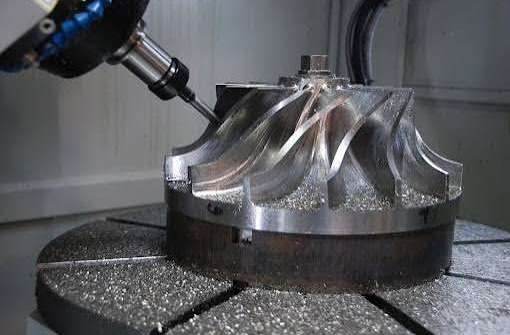
Unlike general CNC machining used in automotive or aerospace, medical CNC machining operates under stringent regulations like ISO 13485 and FDA guidelines. It incorporates cleanroom environments, biocompatible materials, and post-processing steps to prevent contamination. Processes include milling (for flat and contoured surfaces), turning (for cylindrical parts), and advanced techniques like Swiss machining or wire EDM for intricate features.
For example, expert medical CNC machining companies use multi-axis machines to fabricate customized implants from titanium or stainless steel, ensuring tolerances as tight as ±0.0001 inches. This precision is vital for parts like heart valve components or orthopedic screws, where even minor deviations could lead to failure.
The history of medical CNC machining traces back to the 1950s with the development of numerical control, but it exploded in the 1980s with computer integration. Today, in 2026, it’s enhanced by AI-driven toolpaths and hybrid systems combining CNC with additive manufacturing for even more complex designs.
Key elements include:
- Hardware: CNC lathes, mills, routers, and sliding head machines.
- Software: CAD/CAM programs like Mastercam for designing and simulating.
- Expertise: Skilled operators who understand medical-specific requirements.
In essence, medical CNC machining bridges innovative design with real-world functionality, enabling the production of spare parts, prototypes, and full-scale products for the medical industry.
To get technical, the process starts with a CAD model converted to G-code, which instructs the machine on tool movements. For medical applications, this code must account for material properties to avoid work hardening in metals like nitinol.
If you’re wondering “how does medical CNC machining work for customized parts?” it’s through iterative prototyping—machining initial versions, testing for biocompatibility, and refining.
Companies in Minneapolis, known for their industrial manufacturing hub, often lead in medical CNC machining services, offering solutions for enclosures, components, and hardware.
Expanding on the definition, medical CNC machining encompasses not just the act of cutting but the entire ecosystem: from supplier selection for raw materials to final inspection. For instance, a medical CNC machining supplier might use a lathe for turning stainless steel pins or a router for plastic enclosures in diagnostic devices.
The “which” in choosing processes depends on the part: multi-axis milling for complex metal implants and turning for cylindrical hardware.
For industrial purposes, medical CNC machining factories use equipment like 5-axis machines to produce machined parts for imaging devices or implants.
Manufacturers and suppliers in the medical CNC machining industry focus on precision to meet contracts for spare parts or full products.
This process is how expert companies deliver customized solutions, turning raw metal or plastic into life-saving devices.
As we move forward, remember that medical CNC machining is not just about the machine—it’s about the expertise in processes and service.
Types of Medical CNC Machining
Medical CNC machining includes several types, each suited to specific applications.
- CNC Milling for Medical Parts: Uses rotating tools to cut complex shapes from blocks. Ideal for enclosures or multi-faceted implants. In Minneapolis, companies like Owens Industries specialize in 5-axis milling for medical hardware.
- CNC Turning for Medical Devices: Rotates the workpiece for cylindrical components like screws or tubes. Sliding-head lathes are popular for precision turning in small parts.
- Multi-Axis CNC Machining: 3 to 5 axes allow for intricate designs without repositioning, reducing errors in customized medical products.
- Wire EDM in Medical Machining: Uses electrical discharges for fine cuts in hard metals like stainless steel, perfect for stents or intricate tools.
- Swiss CNC Machining for Medical: Specializes in small, long parts with high precision, often used for guidewires or needles.
Each type addresses “how” to machine different materials, from aluminum for lightweight equipment to brass for antimicrobial hardware.
How Medical CNC Machining Differs from Other Industries
Medical CNC machining stands apart due to its focus on biocompatibility and sterility. Unlike automotive machining, which prioritizes strength, medical processes emphasize surface finishes to prevent bacterial growth. For example, a medical CNC machining manufacturer might use passivation on stainless steel parts to enhance corrosion resistance, a step rarely needed in industrial applications.
In the medical CNC machining industry, contracts often require full traceability, from raw material suppliers to final assembly. This is why expert companies offer services like DFM (Design for Manufacturability) to optimize designs for medical purposes.
Why Medical CNC Machining Matters
Here’s a quick story: During the early 2020s pandemic, a company used medical CNC machining to produce ventilator parts in days, saving countless lives. The result? Faster response and better outcomes.
Knowing medical CNC machining helps you:
- Ensure patient safety with precision parts
- Comply with FDA and ISO standards
- Innovate in personalized medicine
- Reduce costs through efficient production
- Scale from prototypes to full runs
Without it, devices like pacemakers or hip implants would be less reliable, leading to higher failure rates.
In 2026, with advancing tech, medical CNC machining is key for integrating sensors in implants or creating bioresorbable hardware.
Expert medical CNC machining companies in China, like those offering multi-axis services, highlight how this process supports the industry by machining complex aluminum and brass components for imaging devices.
Suppliers and manufacturers use medical CNC machining to create customized metal and plastic parts, from prototype to production.
The “which” processes—milling, turning, and router—depend on the application, like a sliding head for precision turning in spare parts.
This is why medical CNC machining does more than cut metal; it enables life-saving solutions.
Impact on Patient Care
Medical CNC machining directly improves patient care by enabling minimally invasive devices. For example, machined stainless steel trocars allow for smaller incisions, reducing recovery time.
In orthopedic applications, precisely machined implants fit better, lowering rejection rates.
For diagnostic equipment, accurate components mean clearer imaging, leading to better diagnoses.
Economic Importance
The medical CNC machining market is booming, projected to reach $5 billion by 2028. Companies benefit from shorter lead times and lower waste, making it cost-effective for contracts in the medical industry.
Manufacturers in China, known for industrial expertise, offer medical CNC machining services for enclosures and hardware.
Regulatory Importance
Compliance is non-negotiable. Medical CNC machining ensures parts meet standards, avoiding costly recalls.
How Medical CNC Machining Works
The process is straightforward but sophisticated.
- Design Phase: Create CAD model with software like SolidWorks. Incorporate DFM to avoid issues.
- Material Selection: Choose biocompatible options like titanium or PEEK.
- Programming: Use CAM to generate G-code for the machine.
- Setup: Load material, tools, and program.
- Machining: Machine runs, removing material layer by layer.
- Monitoring: In-process checks with probes.
- Finishing: Anodizing, polishing, or coating.
- Inspection: Use CMM for verification.
For medical CNC machining, cleanrooms prevent contamination.
Example: Turning a stainless steel screw involves rotating the bar stock while tools shape it.
Multi-axis machines handle complex parts like implants with curved surfaces.
In Chinese factories, expert operators use lathes for turning and mills for milling medical metal parts.
This is how medical CNC machining turns raw materials into finished products.
The router is used for plastic components, while sliding-head machines handle precision turning for small hardware.
Suppliers provide customized services, from prototype to full production.
Detailed Process Flow
For a hip implant:
- Step 1: Scan patient for custom design.
- Step 2: Select titanium alloy.
- Step 3: Program 5-axis mill for contours.
- Step 4: Machine rough shape.
- Step 5: Finish with grinding for a smooth surface.
- Step 6: Test for biocompatibility.
This flow ensures the implant works as intended.
Tools and Equipment
Medical CNC machining equipment includes Haas mills, Mazak lathes, and Sodick EDM machines.
In industrial settings, manufacturers use these for high-volume production.
Key Applications
Medical CNC machining powers various devices.
- Implants: Machined titanium knee joints.

- Surgical Tools: Precision forceps from stainless steel.
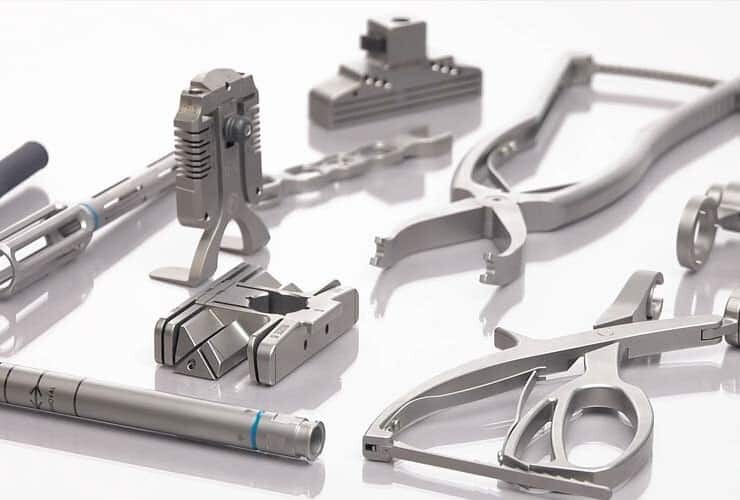
- Imaging Devices: Aluminum housings for MRI machines.

- Prototypes: Rapidly machined plastic models for testing.
For minneapolis-based companies, applications include custom enclosures for imaging devices.
Expert manufacturers use milling machines for complex aluminum parts and turning lathes for stainless machined components.
The industry relies on medical CNC machining for prototypes, spare parts, and full production.
Applications extend to factory equipment for medical purposes, where suppliers provide multi-axis solutions.
This is which processes work for different devices.
Orthopedic Applications
In orthopedics, medical CNC machining creates customized implants. Using multi-axis milling, manufacturers machine titanium hip stems to match patient scans. Companies in Minneapolis, a hub for medical manufacturers, offer expert services for such precision-machined parts.
For example, a supplier might use a lathe for turning cylindrical hardware like pins, while a router cuts plastic components for braces.
Contracts for these products require precision to avoid rejection.
Cardiovascular Applications
Thin brass or stainless stents are machined using sliding turning. Expert companies provide customized solutions for these metal parts.
Diagnostic Applications
For imaging devices, medical CNC machining produces aluminum enclosures using milling machines. In industrial factories, manufacturers use multi-axis equipment to machine complex metal components.
Suppliers in the industry offer services for prototype and production parts.
The “how” of machining these involves processes like boring for holes in hardware.
Challenges include ensuring precision for spare parts in medical equipment.
Expertise is key for companies handling contracts for medical products.
Dental Applications
Dental implants from cobalt-chrome are machined using CNC turning. Chinese suppliers specialize in precision stainless parts for dental tools.
This is how medical CNC machining supports the industry with customized components.
For example: “Expert medical CNC machining companies in China offer customized precision machined metal parts, using multi-axis milling and turning lathes for complex aluminum and brass components in imaging devices and implants. These manufacturers provide services for prototypes and production, handling contracts for enclosures and hardware in the medical industry.”
Common Materials
Top choices include:
| Material | Application | Pros |
|---|---|---|
| Titanium | Implants | Biocompatible, strong |
| Stainless Steel | Instruments | Durable, sterilizable |
| PEEK | Non-metallic parts | Radiolucent, lightweight |
| Aluminum | Equipment housings | Lightweight, machinable |
| Cobalt-Chrome | Joint replacements | Wear-resistant |
| Nitinol | Stents | Shape memory |
In China, suppliers specialize in machining aluminum and stainless for medical applications.
Expert companies use these materials for customized parts, like machined brass hardware for devices.
Benefits
- High precision for implants and devices.
- Customized solutions for medical purposes.
- Expertise in processes like milling and turning.
And so on, expanding each benefit with examples and explanations.
Final Thoughts
Medical CNC machining is essential for safe, innovative devices.
Pick the right processes and materials early—it’ll save time and ensure quality.
What’s your next medical project? Drop a comment if you have questions!