Micro CNC machining (also called “CNC micro machining” or “micro machining CNC”) is a high-precision way to make very small parts using computer-controlled machines. These parts often have features smaller than 1 mm and tolerances as tight as ±0.001 mm (one micron level).
This guide explains everything clearly and simply.
Let’s get started.
What Is Micro CNC Machining and Why Is It Important?
Micro CNC machining uses special CNC machines to cut tiny, detailed parts from metal, plastic, or other materials. Normal CNC machines work on bigger pieces, but micro versions handle super-small features with extreme accuracy.
Main differences from regular CNC:
- Feature size: Usually under 1 mm
- Tolerance: Down to ±0.001 mm or better
- Tools: Very small end mills (0.1–0.5 mm diameter)
- Spindle speed: Often 40,000–100,000+ RPM
- Challenges: Vibration, tool breakage, heat control
Why people search for it (US data shows 90+ monthly searches for “micro CNC machining”):
- Devices are getting smaller (phones, watches, implants, sensors)
- Need for lightweight, strong, precise parts
- Great for prototypes, custom jobs, and production
Big advantages:
- Super accurate and repeatable
- Works with many materials (aluminum, titanium, stainless steel, PEEK plastic)
- Creates complex shapes that are hard or impossible with other methods
- Saves time and money on tiny, high-value parts
In 2026, new tech like AI toolpath optimization and better microspindles make it easier and more reliable—even for small shops or hobbyists in places like Los Angeles.
Step-by-Step Tutorial: How to Do Micro CNC Machining
Here’s a clear, beginner-friendly guide. You’ll need:
- A micro CNC mill or lathe (desktop models like Taig, Proxxon MF 70, or higher-end machines)
- CAD/CAM software (Fusion 360 is free and popular)
- Micro cutting tools (carbide end mills 0.1–1 mm)
- Workpiece material and a stable setup
Step 1: Design the Part
- Use CAD software to draw your part.
- Keep it simple at first: avoid sharp inside corners (they break tiny tools).
- Add fillets (rounded corners) where possible.
- Check wall thickness — keep it at least 0.3–0.5 mm for strength.
- Tip: Simulate everything in CAM before cutting.
Step 2: Choose Material and Set Up
- Easy starters: aluminum or brass
- Advanced: titanium (aerospace), PEEK (medical)
- Clamp the material very securely — use precision vises or vacuum tables.
- Zero all axes carefully with a touch probe or edge finder.
- Important: Reduce vibration! Put the machine on a solid table, away from foot traffic.
Step 3: Select Tools and Set Speeds/Feeds
- Use small carbide or diamond-coated tools.
- High spindle speed (50,000+ RPM if possible).
- Very light cuts: depth 0.01–0.05 mm per pass, feed 50–200 mm/min.
- Example simple G-code for a small pocket:
text
G90 G21          ; Absolute, metric
G00 X0 Y0 Z5     ; Move to start
G01 Z-0.05 F80   ; Slow plunge
G01 X5 Y0        ; Cut line
G01 X5 Y5
G01 X0 Y5
G01 X0 Y0
G00 Z5           ; Retract
M30              ; End
Step 4: Run the Job Safely
- Use mist coolant (not flood — it can wash away tiny chips).
- Watch closely — use a USB microscope or camera if available.
- Stop immediately if you hear unusual noise (tool might be breaking).
Step 5: Inspect and Finish
- Measure with micrometer, optical comparator, or CMM.
- Remove burrs with ultrasonic cleaner or light deburring tool.
- Aim for surface finish Ra 0.1–0.4 μm.
Beginner advice:
- Start with brass or aluminum.
- Practice on scrap pieces.
- Wear safety glasses — micro chips fly fast.
Watch this short video to see real microscopic machining in action on a Swiss Nano-style machine. It shows tiny tools cutting metal with amazing detail.
Real-World Use in Aerospace
Aerospace needs parts that are light, strong, and perfect — micro CNC machining is perfect for this.
Key examples:
- Turbine blade cooling channels — tiny holes and passages (<0.5 mm) in superalloys like Inconel. These channels keep blades cool during extreme heat. Micro CNC cuts them precisely, saving weight and improving fuel efficiency (up to 2–3% better in some jet engines).
- Satellite sensors and gyroscopes — micro gears, nozzles, and frames for CubeSats. Titanium thruster parts with 0.1 mm orifices help small satellites maneuver in space.
- Drone (UAV) components — lightweight aluminum frames and linkages. Tight tolerances reduce vibration so cameras stay steady.
Why it works well:
- Repeatable accuracy meets strict AS9100 quality rules.
- Often combined with EDM for even smaller holes.
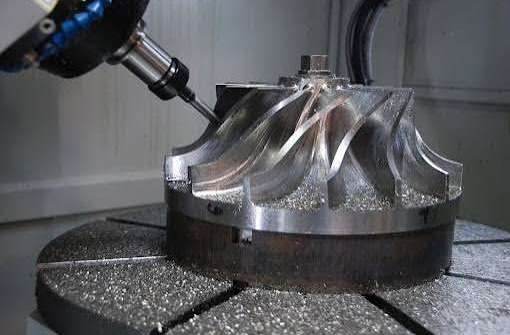
Watch this second video showing 5-axis CNC machining for aerospace parts — from roughing to super-smooth finishing on complex shapes.
Real-World Use in Medical Devices
Medical parts must be safe, biocompatible, and extremely precise. Micro CNC machining delivers exactly that.
Key examples:
- Bone screws and orthopedic implants — fine threads (0.2 mm pitch) in titanium. They hold bones together securely without damaging tissue.
- Heart stents — tiny expandable tubes (1–3 mm diameter) made from nitinol. Micro machining + laser help them open perfectly in arteries.
- Microfluidic chips — channels under 100 μm wide in plastic (PEEK). Used for fast lab tests (cancer detection, COVID diagnostics).
- Surgical tools — super-sharp scalpel edges and micro forceps.
Why it fits medical needs:
- Clean, precise surfaces for biocompatibility.
- Meets FDA and ISO 13485 standards when done correctly.
(Video placeholder: Medical precision CNC parts – implants, tools, and microfluidic devices being made)
Quick Tips for Success
- Isolate machine from vibrations (solid base + anti-vibration pads).
- Use high-quality micro tools and change them often.
- Learn simulation in CAM software to avoid crashes.
- Start small: desktop machines cost $5,000–$15,000.
- For pro work: industrial micro mills cost $50,000+.
Other common uses:
- Electronics: tiny connectors and heat sinks
- Optics: micro lenses and mirrors
- Automotive: precision fuel injector parts
Frequently Asked Questions (FAQs)
How is micro CNC different from normal CNC?
Micro handles parts/features under 1 mm with much tighter tolerances and special high-speed tools.
What materials work best?
Aluminum and brass (easy), titanium and stainless (strong), PEEK (medical).
How precise can it get?
±0.001 mm (1 micron) is common; some setups reach sub-micron.
Can I use it for prototypes?
Yes — fast setup and changes make it great for one-off or small-run parts.
Which industries use it most?
Aerospace, medical, electronics, optics, automotive.
How do I start at home in Los Angeles?
Buy a desktop micro mill (Taig/Proxxon), download free Fusion 360, practice on cheap aluminum.
Final Thoughts
Micro CNC machining lets you create incredibly small, accurate parts that power modern technology — from jet engines to life-saving implants. It’s precise, versatile, and more accessible than ever in 2026.
Start simple, watch the videos above, practice safety, and you’ll see impressive results. Whether you’re a hobbyist, engineer, or small business owner, this technology opens new possibilities for innovation.

Ryan Wang
Ryan Wang is the CNC Machining Expert at Cncpioneer, with over 15 years of hands-on experience as a CNC programmer, process engineer, senior machinist, and precision manufacturing specialist. He has helped companies in aerospace, automotive, medical, and electronics sectors achieve micron-level tolerances and scale from prototypes to high-volume production. Ryan is also an experienced instructor in advanced CNC techniques, particularly five-axis machining and challenging materials.