In today’s automotive industry, precision is everything. As vehicles become more electrified, connected, and autonomous, components must meet increasingly tight tolerances while maintaining high-volume production efficiency. Automotive swiss machining—also known as automotive swiss-type CNC turning—has emerged as a cornerstone technology for producing small, intricate parts that traditional machining methods struggle to handle reliably.
Swiss machining originated in the Swiss watchmaking industry for tiny, high-precision components. Today, it’s indispensable in automotive applications, particularly for parts with diameters under 38mm and high length-to-diameter ratios. In our shop, we’ve seen automotive swiss machining reduce scrap rates by 10-15% on fuel injector projects and enable tolerances as tight as ±0.0001 inches (±2.54μm).
With electric vehicle (EV) adoption projected to exceed 50% globally by 2026 (per McKinsey Mobility Report), demand for lightweight, high-conductivity parts is surging. This guide breaks down the technology, its advantages, real-world applications, and practical considerations to help you evaluate if automotive swiss machining fits your next project.
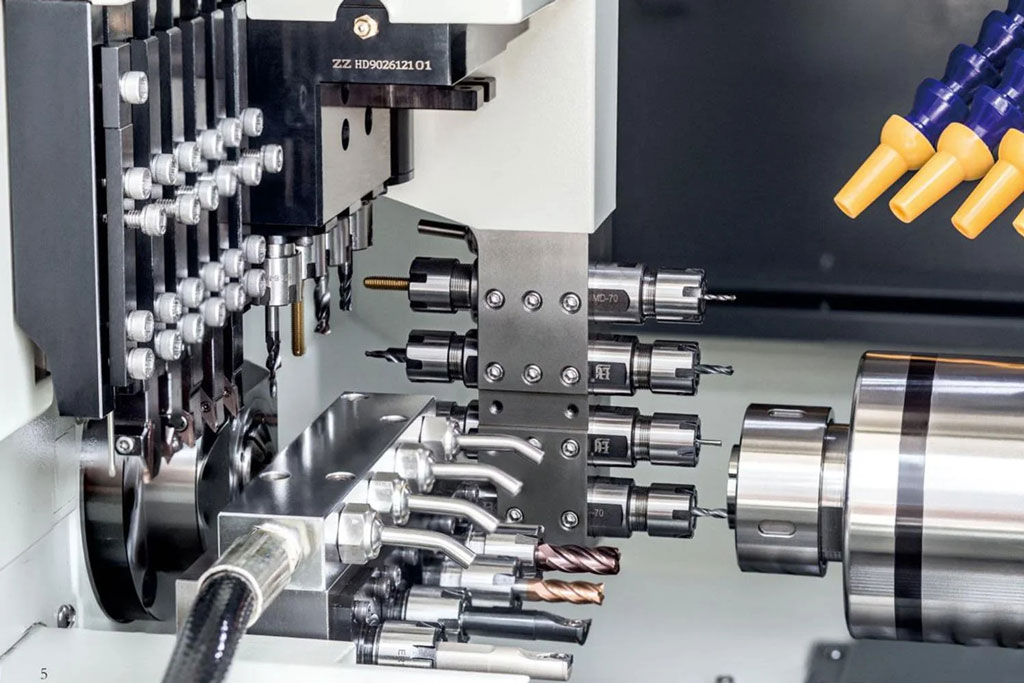
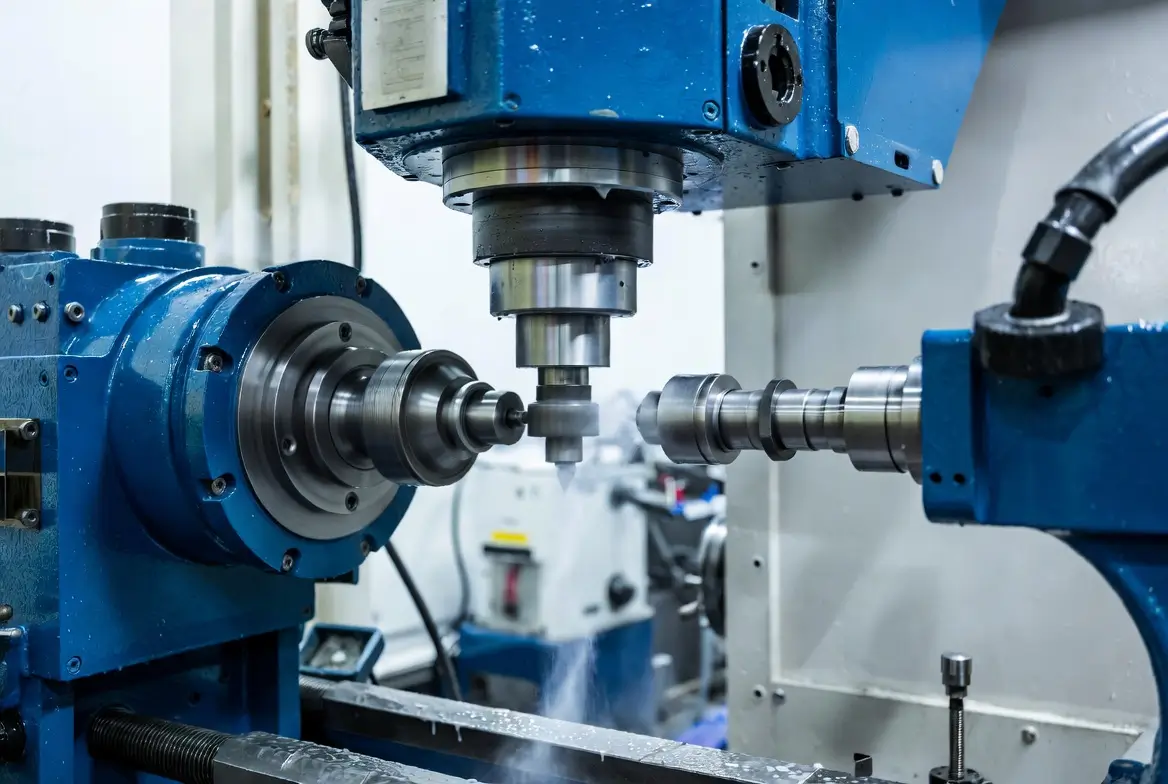
Swiss-type CNC lathes in operation—note the guide bushing that provides critical support for slender parts.
How Does Automotive Swiss Machining Work? Core Principles and Unique Advantages
Automotive swiss machining uses specialized Swiss-type lathes where the bar stock moves axially through a guide bushing while tools cut very close to the support point. This minimizes deflection and vibration—critical for long, slender automotive parts.
Key features include:
- Sliding headstock with guide bushing support
- Multiple axes (often 7-12) for simultaneous operations
- Live tooling for milling, drilling, and threading in one setup
Compared to conventional CNC turning:
| Aspect | Swiss-Type Machining | Traditional CNC Turning |
|---|---|---|
| Best Part Diameter | <38mm (ideal <20mm) | >20mm |
| Length-to-Diameter Ratio | Up to 20:1 without deflection | Limited (~4:1 before issues) |
| Typical Tolerance | ±0.0001″ to ±0.0005″ | ±0.001″ common |
| Cycle Time (high volume) | 30-50% faster for complex parts | Slower for small diameters |
| Secondary Operations Needed | Minimal (often zero) | Frequently required |
In automotive contexts, these advantages translate directly to better fuel system performance, more reliable EV powertrains, and safer sensor components.
Automotive Swiss Type Machining Parts: Essential Components (2026 Focus)
The real value of automotive swiss machining shines in the parts it produces. Below are the most common automotive swiss type machining parts we manufacture, based on projects completed for fuel systems, EV powertrains, and safety components.
Fuel System Components
Fuel injectors demand extreme precision—needle valves and nozzles must seal perfectly under high pressure while delivering precise spray patterns.
Common parts:
- Injector needle valves
- Nozzle bodies
- Pintle shafts
Typical specs: ±0.002mm tolerance, 17-4PH stainless steel, volumes 50,000–500,000 pieces/year.
In one project, switching to swiss machining reduced leakage failures by 12% for a major OEM.
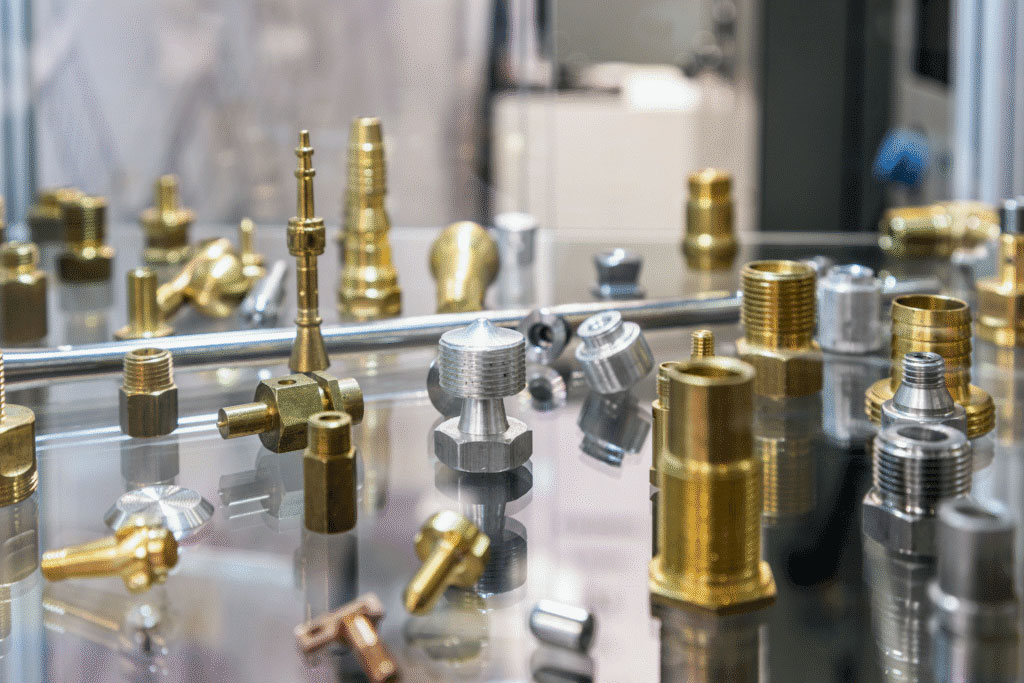
Electric Vehicle Battery and Motor Components
EV growth in 2026 drives demand for high-conductivity, lightweight connectors and terminals.
Key parts:
- Battery terminal posts
- High-voltage connectors
- Motor shaft components
- Bus bars
Materials: C10100 copper, titanium alloys, aluminum 6061.
These automotive swiss type machining parts often require complex geometries with integrated threading and milling—perfect for swiss machines.
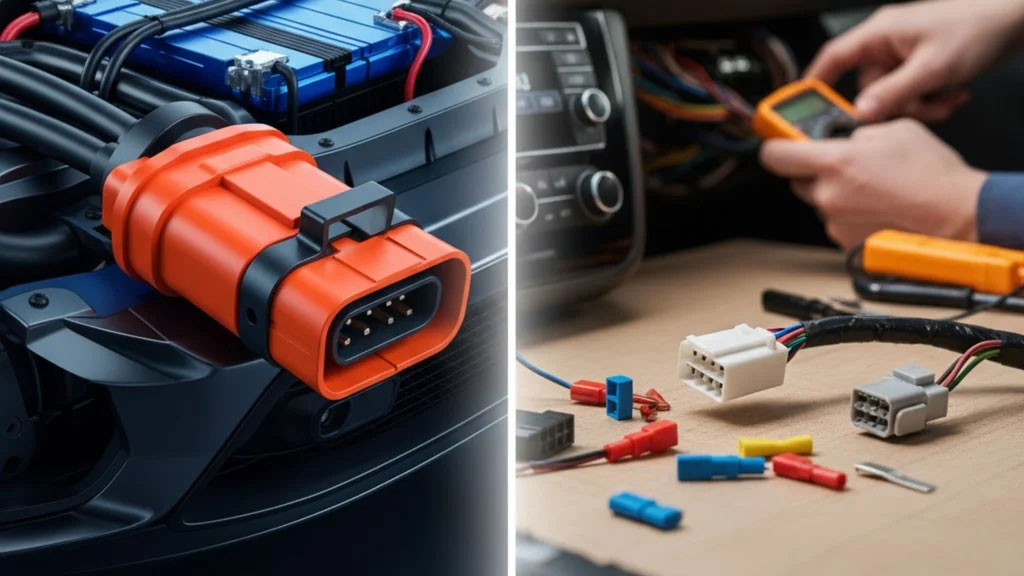
EV high-voltage connectors and battery terminals produced via Swiss machining.
Transmission and Safety System Parts
Precision gears, shafts, and sensor housings ensure reliable operation.
Examples:
- Transmission shift forks
- ABS sensor sleeves
- Brake system pistons
These parts often combine turned diameters with milled features—completed in one swiss setup.
Is Automotive Swiss Machining Worth the Investment? Cost Benefits and Common Challenges
Yes—for the right parts. While setup costs are higher than conventional turning, total cost of ownership often drops significantly.
Rough ROI example (100,000 pieces/year):
| Factor | Traditional CNC | Swiss Machining | Savings |
|---|---|---|---|
| Cycle Time per Part | 45 seconds | 25 seconds | 44% faster |
| Scrap Rate | 3-5% | 0.5-1% | ~70% reduction |
| Secondary Ops Cost | $0.30/piece | $0.05/piece | 83% lower |
| Total Cost per 100k | $85,000 | $62,000 | ~27% savings |
Common challenges and solutions:
- Bar stock remnant waste → Use bar loaders and optimize remnant lengths
- Tool wear on tough materials → Implement high-pressure coolant and coated tools
- Programming complexity → Invest in CAM software with Swiss-specific post-processors
Material Selection, Supplier Evaluation, and Best Practices
Top automotive materials for Swiss machining:
| Material | Best Applications | Key Benefits | Considerations |
|---|---|---|---|
| 17-4PH Stainless | Fuel injectors, valves | High strength, corrosion resistant | Heat treat after machining |
| C10100 Copper | EV connectors | Excellent conductivity | Soft—requires sharp tools |
| Ti-6Al-4V | Lightweight structural parts | High strength-to-weight | Expensive, slower machining |
| Aluminum 6061 | Sensor housings | Good machinability, lightweight | Anodize for corrosion protection |
When choosing a supplier:
- Verify IATF 16949 certification
- Confirm modern equipment (Citizen, Star, Tsugami machines)
- Request prototype turnaround <2 weeks
- Check high-volume capacity (multiple machines with bar feeders)
Frequently Asked Questions
Is Swiss machining suitable for EV battery parts? Yes—especially connectors and terminals requiring tight tolerances and high conductivity.
How does cost compare to traditional CNC for low volumes? Traditional CNC is usually cheaper below 5,000 pieces; Swiss excels above 10,000.
What tolerances are realistic? ±0.0001″ achievable on diameters; ±0.0005″ common for production runs.
Can Swiss machines handle milling operations? Modern machines with live tooling perform complex milling, drilling, and threading in one setup.
Conclusion
Automotive swiss machining remains essential for producing the precision components driving tomorrow’s vehicles—from efficient fuel systems to reliable EV powertrains and advanced safety sensors.
With solid-state batteries and Level 4/5 autonomy on the horizon in 2026-2030, automotive swiss type machining parts will face even tighter requirements for thermal management and sensor integration.
If you’re evaluating this technology for your next project, focus on part geometry, volume, and tolerance needs. The right application delivers exceptional ROI through quality, speed, and reliability.
Need help assessing whether Swiss machining fits your components? Feel free to reach out—happy to review drawings and provide recommendations based on real production experience.