In today’s hyper-connected world—from electric vehicles to medical devices and aerospace systems—connector machining is the precision backbone that ensures reliable power, data, and signal transfer. This advanced manufacturing process produces critical connector components like pins, housings, contacts, and shells for electrical connectors, cable connectors, and specialized types. If you’re an engineer designing aerospace connectors, a procurement specialist sourcing auto connectors, or a manufacturer exploring precision machining for connectors, this guide breaks it all down clearly.
We’ll cover exactly what connector machining is, why precision is non-negotiable; core processes (including CNC machining connector parts and swiss-type machining); popular materials like brass; real-world applications (from medical connector machining to aviation connectors); key benefits; how to select a top connector components supplier (including China precision machining for connector components); and emerging trends.
Let’s dive in.
What Is Connector Machining?
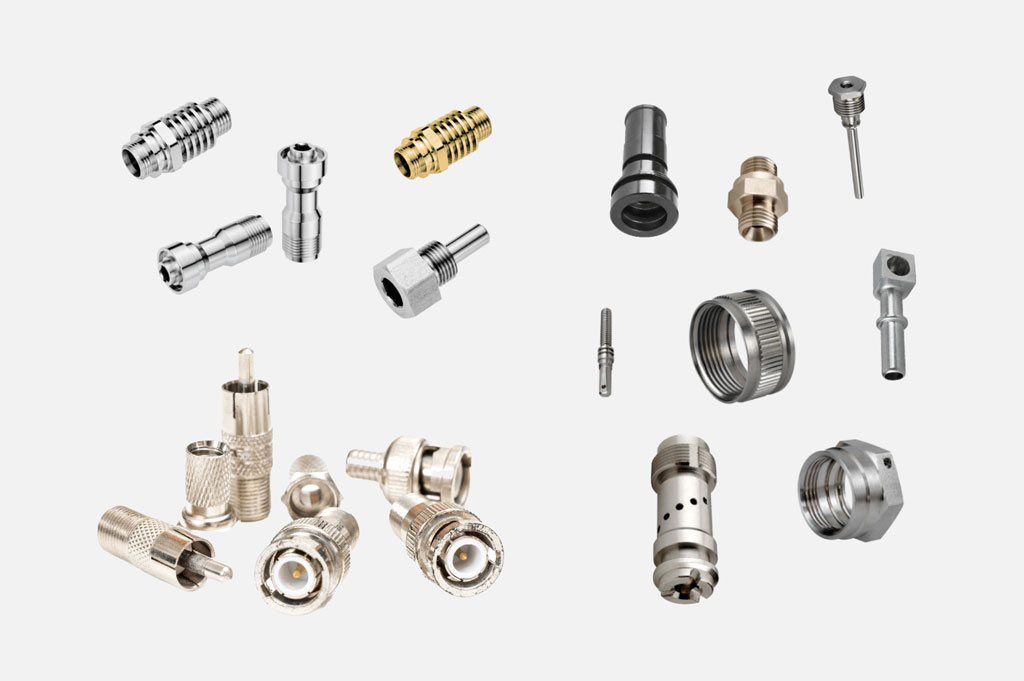
Connector machining is the specialized precision manufacturing of parts for connector components, turning raw stock into high-tolerance elements essential for electrical connectors and wiring connectors. It encompasses machining of parts for connector components using advanced CNC-controlled techniques to achieve intricate geometries, smooth surfaces, and perfect fits.
The workflow typically begins with CAD designs, followed by processes like turning, milling, and finishing. Outputs include everything from space-saving connectors for compact electronics to robust power connectors. Many connector components factories in China lead in this space, delivering customized precision machining with high-volume capabilities and cost efficiency.
Why Precision Matters in Connector Machining
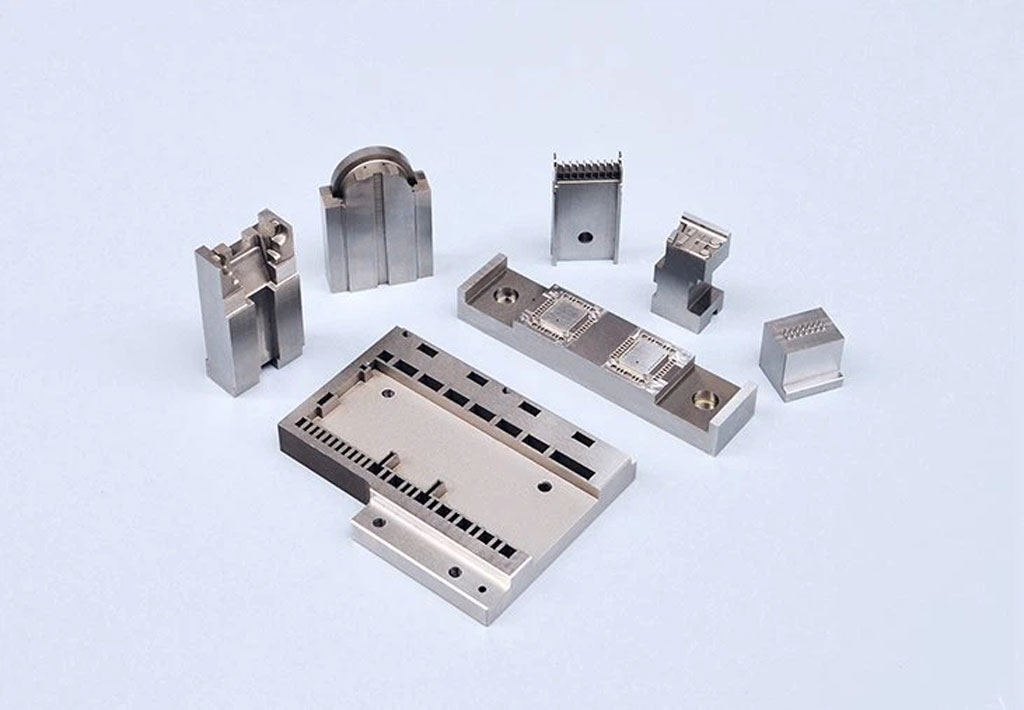
Precision isn’t a luxury in connector machining—it’s a requirement. Imperfect tolerances can lead to poor contact, signal interference, overheating, or complete failure, especially in demanding environments like aerospace connectors or medical connector machining.
For auto connectors and car connectors, vibration and thermal cycling demand exact fits. In aviation connectors, lightweight precision ensures reliability at altitude. Screw machining of connectors for electrical equipment and screw machining of power connectors require flawless threading for secure assembly. Overall, precision machining for connectors guarantees low resistance, high durability, and compliance with standards like IP ratings or MIL-spec.
Key Processes in Connector Machining
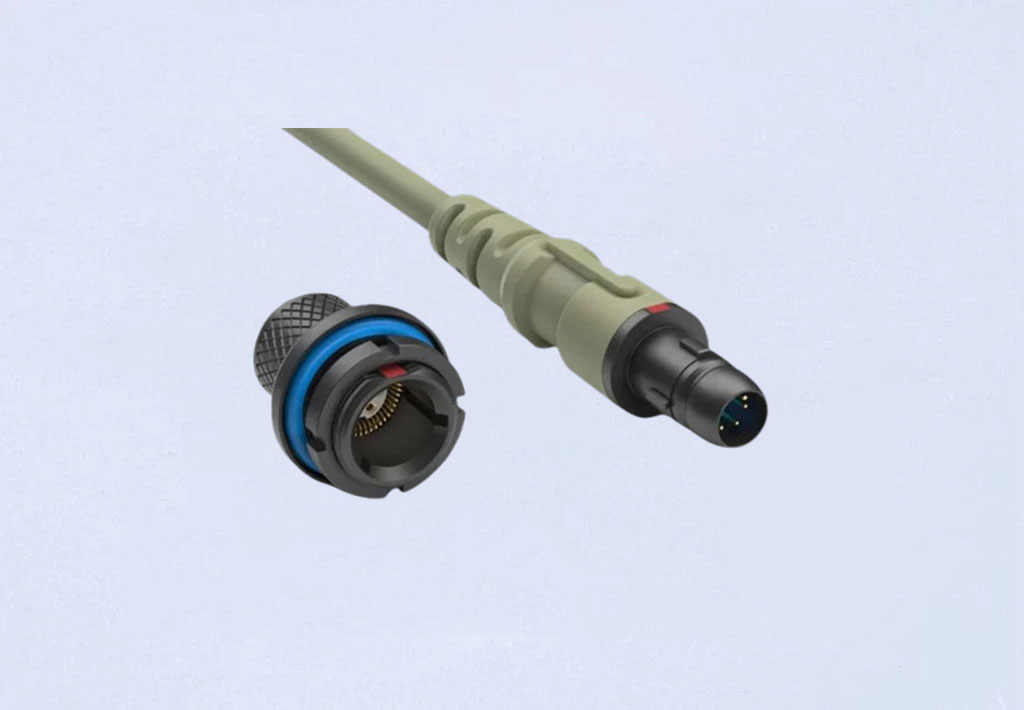
Leading-edge connector machining employs several proven techniques:
CNC Turning and Milling
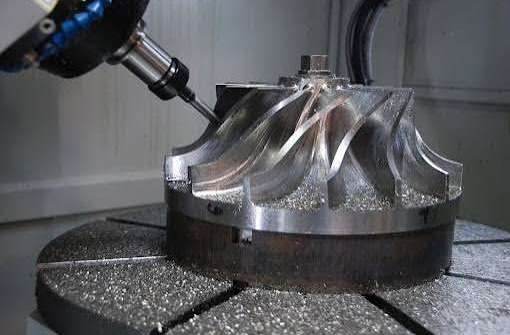
Essential for CNC machining connector parts, these create complex housings, shells, and contacts with multi-axis accuracy.
Swiss-Type Machining
Perfect for high-volume, small-diameter items like pins and terminals—Swiss-type machining delivers exceptional precision and finish on long, slender connector components.
Screw Machining
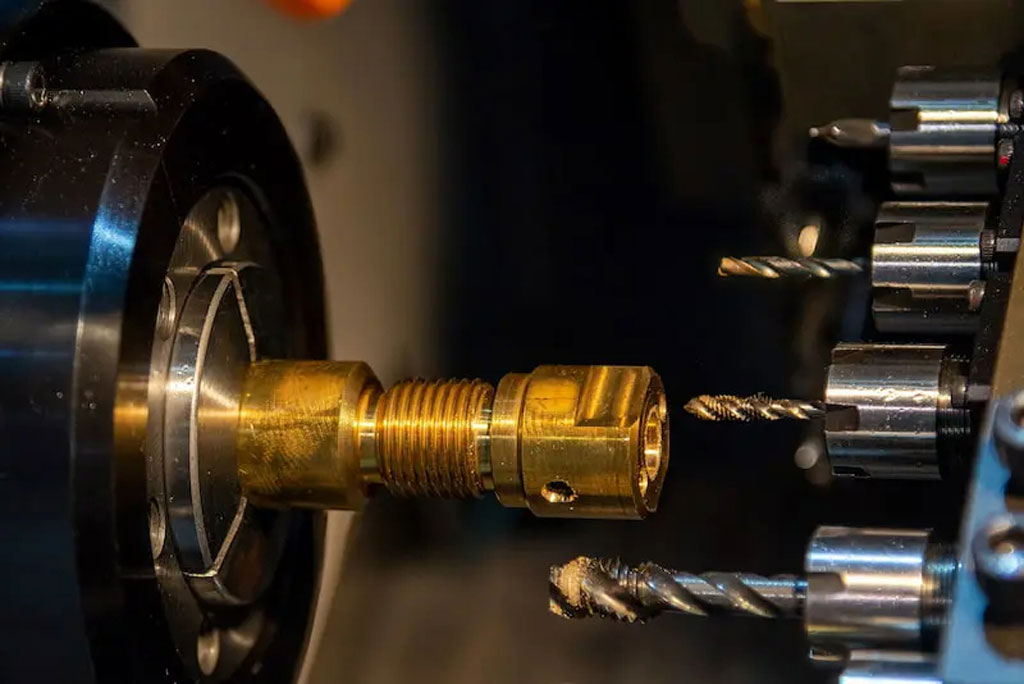
High-speed automated production for threaded parts in electrical equipment and power systems.
Additional Finishing
Plating (gold/nickel), EDM for fine details, and grinding ensure conductivity and corrosion resistance.
Automation in modern setups boosts consistency and speed.
Materials Used in Connector Machining
Material choices directly impact performance:
- Copper alloys: High-power applications.
- Stainless steel: Weight savings
- Aluminum: Harsh environments and weight savings.
- Brass: Top pick for its machinability, conductivity, and cost—common in contacts and terminals for electrical connectors.
- Plastics: Insulation in hybrid designs.
China’s precision machining for connector components often optimizes brass for affordability.
Applications of Connector Machining
Connector machining powers diverse sectors:
- Automotive: Reliable auto connectors and car connectors for EVs, sensors, and infotainment.
- Aerospace & Aviation: Durable, lightweight aerospace connectors and aviation connectors.
- Medical: Biocompatible medical connector machining for devices and equipment.
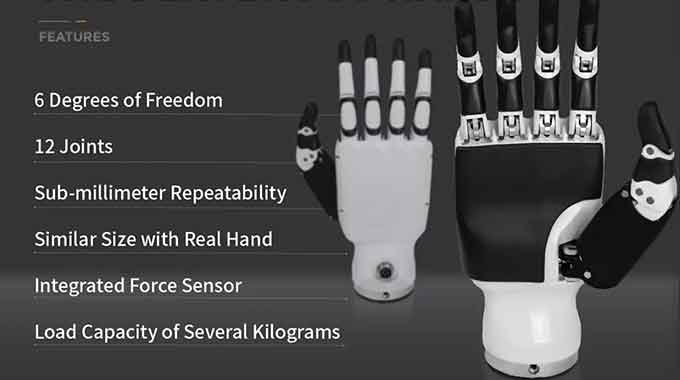
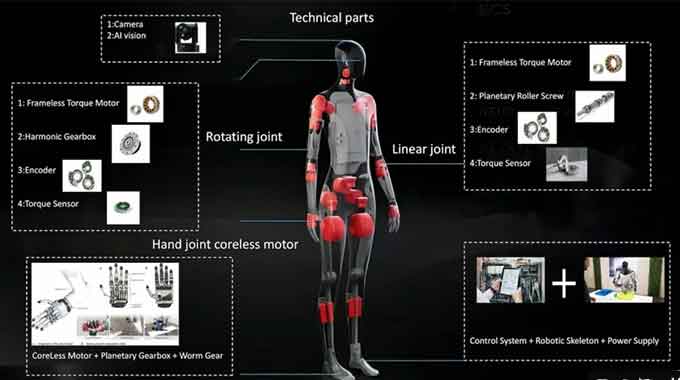
- Robotics: Precise robot arm connector parts and robot arm connectors.
- Electronics & Industrial: Compact space-saving connectors and robust wiring connectors.
These enable safer, smarter systems across industries.
Benefits of Precision Connector Machining
- Unmatched Reliability: Minimizes failures in critical connections.
- Customization: Customized precision machining for exact specs.
- Scalability & Efficiency: High-volume with low waste.
- Cost Advantages: Competitive from global connector component suppliers.
- Enhanced Performance: Superior conductivity and longevity.
How to Choose a Connector Components Supplier
Focus on:
- Proven expertise in CNC machining connectors and relevant certifications.
- Advanced capabilities like Swiss-type machining.
- Material mastery (e.g., brass).
- Options in connector components factories in China offer superior scale and pricing for precision machining for connector components.
- Rapid prototyping and strict quality controls.
Always request samples and detailed quotes.
Future Trends in Connector Machining
Look for further miniaturization (5G/IoT), sustainable materials, AI-optimized production, and higher-speed designs to support exploding data demands.
FAQs
What’s the go-to material for most connector machining?
Brass balances conductivity, machinability, and cost perfectly.
Why choose Swiss-type machining for connectors?
It excels at precise, high-volume production of small pins and terminals.
Are China-based suppliers strong in connector components?
Absolutely—leading in advanced China precision machining for connector components with global-scale efficiency.
Which industries depend most on connector machining?
Automotive, aerospace, medical, and robotics top the list.
How does precision impact electrical connectors?
It ensures minimal resistance, secure mating, and long-term reliability.
Conclusion
Connector machining quietly enables the connected technologies we rely on daily, from brass electrical connectors to specialized robot arm connector parts. Mastering its processes, materials, and suppliers unlocks innovation and reliability. Whether sourcing locally or from expert connector components suppliers in China, start exploring options today to power your next project.