
Geometry and access
Review diameters, bores, threads, shoulders and milled features together. Restricted access or thin sections may require changes to the proposed process.
Custom shafts, flange adapters, valve bodies and threaded fittings with turned and milled features. Review materials, datums, finishing and inspection for your drawing.

CNCPioneer makes custom components that combine turned diameters with milled flats, keyways, cross-holes, slots or pockets. This page groups the component families and the information needed to quote them.
The product drawing determines whether operations can be combined on a mill-turn machine or need separate setups. Long sections, internal access, heat treatment, grinding and surface finishing must be considered before a route is agreed.
Specify the individual part and acceptance requirements. A machining example does not establish a universal size envelope, tolerance or delivery schedule for a different component.
Review the individual component before confirming the production route, price and schedule.
Review diameters, bores, threads, shoulders and milled features together. Restricted access or thin sections may require changes to the proposed process.
State the exact material specification, stock condition and permitted alternatives. Confirm availability and any treatment before ordering.
Identify functional surfaces, masked areas and the condition in which dimensions are accepted. Include any required measurements after finishing.
Share initial and repeat quantities, the target date and required records. Inspection coverage and delivery timing are confirmed with the quotation.
Send the component drawing and clarify the supplied item before requesting pricing.
Examples illustrate individual machined parts. The accepted drawing defines the supplied item and its inspection requirements.
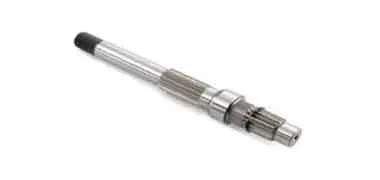
Review journals, shoulders, flats and keyways together; confirm any spline or grinding operation required by the drawing.
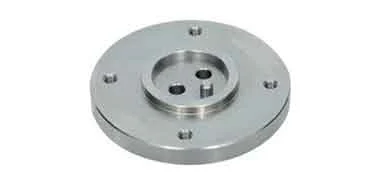
Specify the bore, locating faces, bolt pattern, thread and mating-interface relationships.
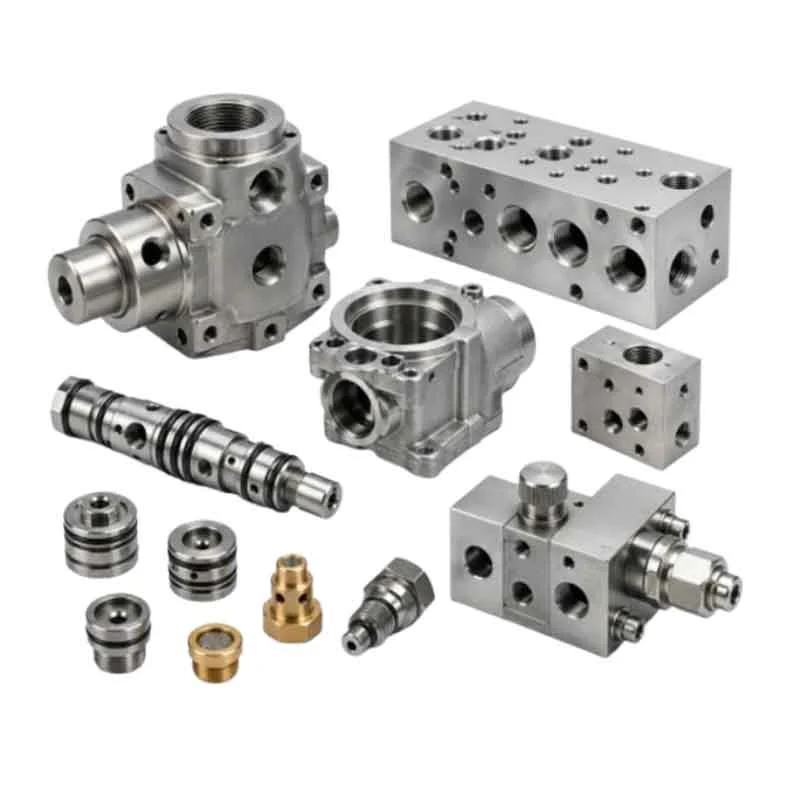
Define sealing interfaces, intersecting passages, thread details and internal edge or cleaning requirements.
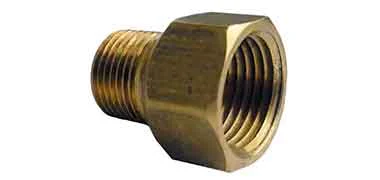
Specify thread form, gauge acceptance, seating surfaces, wrench flats and any after-finish dimensions.
Materials
Specify the exact grade and condition selected for the component. Availability, finishing compatibility and suitability require project review.
Specify alloy and temper, stock form, thin sections and the dimensions accepted after anodizing.
Define grade and condition, thread and sealing requirements, cleaning and any specified surface treatment.
Select the exact alloy for the component function. Include plating, cleanliness and applicable composition requirements.
Specify heat-treatment condition and any required hardness or ground surfaces; agree the sequence and inspection condition.
Finish selection
Include the finish specification, surfaces covered, masking and post-process dimensions. Process availability and documentation are confirmed for the order.
Identify bearing seats, seal paths and sliding surfaces separately. Specify the texture and the stage at which it will be measured.
Provide the material condition, treatment specification, masked areas and acceptance sequence. Availability and any secondary processing require quotation review.
Specify burr limits at cross-holes, bore exits and cable-routing edges. Agree how accessible and hidden features will be checked.
Process selection, batch planning and inspection are reviewed for your drawing. Machine allocation and delivery timing are confirmed with the quotation.
Inspection & documentation
Agree the features to inspect, the measurement method and the records required for acceptance.
No universal tolerance or certification is implied. Supplier qualification, material records and inspection requirements must be confirmed for the specific order.
Confirm the certificates, inspection reports and production records needed for your order when sharing your drawing.
Shafts with flats or cross-holes, flange adapters with bolt patterns, threaded fittings with wrench flats, and valve bodies with ports are common examples. The actual drawing determines the manufacturing route.
No. Workholding, access, stock form and finishing can require additional setups or secondary operations. The quotation should describe the agreed route and acceptance requirements.
Identify the surfaces that need grinding, the material condition and the required finish or geometric controls. Availability, processing sequence and inspection are confirmed for the specific order.
This page helps specify and compare component families. The CNC turning and milling service page explains the process, drawing review and production workflow.
Send a dimensioned drawing and model, material condition, quantity, finish, critical datums and dimensions, required records and target date. Separate confirmed requirements from alternatives for review.
CUSTOM CNC PARTS
Send the drawing revision, model, material and condition, quantities, finish, critical features and required inspection records. We will review the component and confirm the proposed process and delivery scope.
 Stainless Steel Precision Turning Shafts
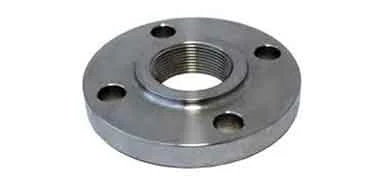 CNC Machined Flanges
 Brass Pipe Fittings