
Contact Face Geometry as Primary Electrical Performance Discipline
Contact resistance R_contact = ρ_material / (2 × a_contact) where a_contact is the Hertz contact radius.
CNCPioneer is an IATF 16949 and AS9100D electrical contact manufacturer making custom engineered electrical contacts, machined contacts and contact pins for relays, connectors, contactors, test probes and OEM assemblies.
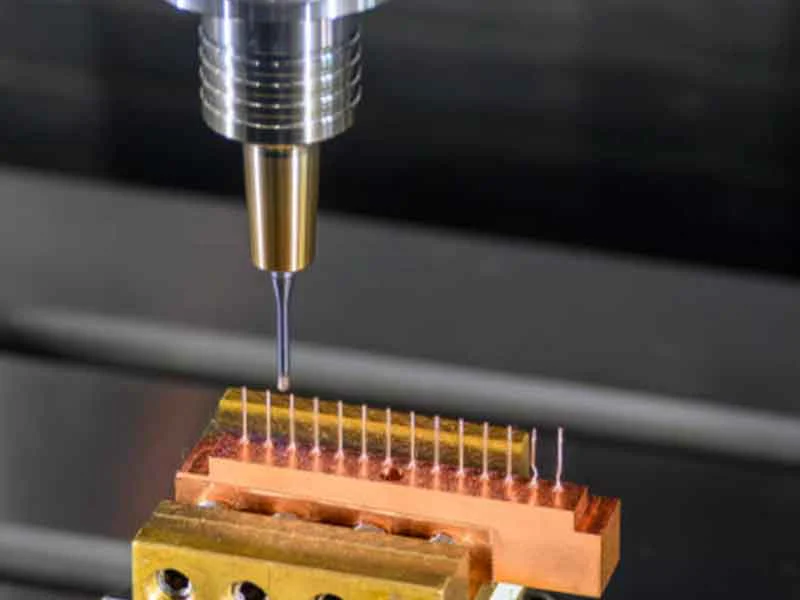
A custom precision electrical contact is a machined or assembled conductive component that makes, breaks or maintains current flow in a relay, connector, contactor, switch, circuit breaker, slip ring or test fixture.
CNCPioneer reviews the operating current, voltage, switching duty, cycle life, environment, contact force and mating geometry before selecting an electrical contact manufacturing route.
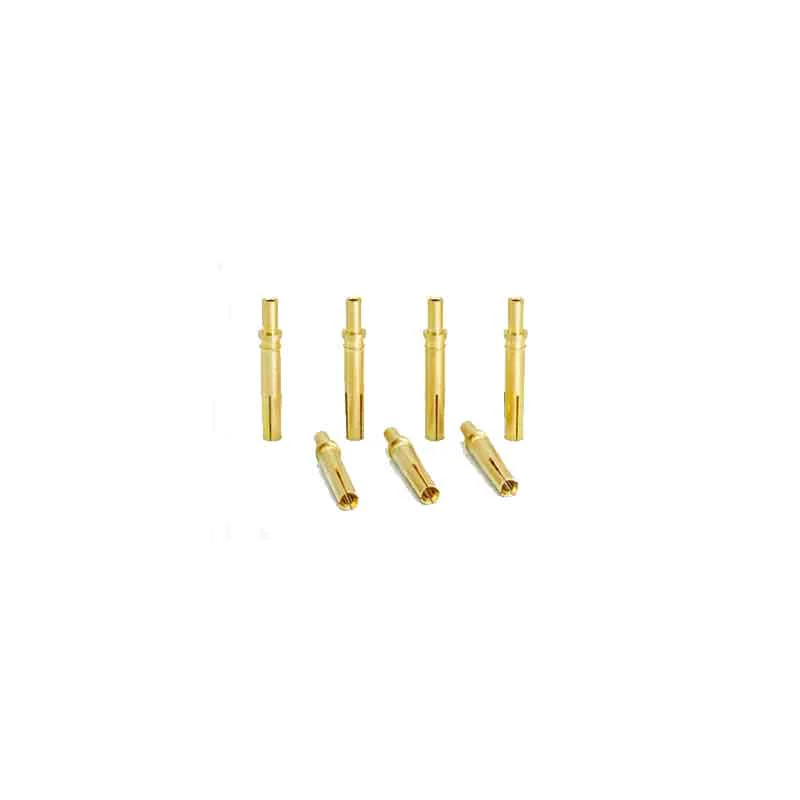
Coordinate geometry, material, finishing and inspection around the part's intended function.
Contact resistance R_contact = ρ_material / (2 × a_contact) where a_contact is the Hertz contact radius.
Define the contact tip, retention features and rear termination from common datums. Review fine grooves, small bores and accessible measuring surfaces before selecting a turning route.
Review the copper-alloy base material, temper and contact geometry together. Specify plating separately, including coating thickness, masked areas and whether critical dimensions apply before or after finishing.
Provide mating-part dimensions and the required plated condition. Identify press fits, crimp or joining features and distinguish component inspection from electrical assembly validation.
Electrical contact material composition directly governs contact resistance, arc erosion resistance, welding resistance, and service life.
Contact programs can include four-wire resistance testing, spring-force verification, XRF material composition checks, plating-thickness records, CMM reports, profilometry and Certificate of Conformance documentation.
Explore representative configurations and share your drawing for a product-specific review.
Solid-turned male pin contacts for signal, power, and mixed-signal connector systems, cut from precision bar stock on Swiss CNC sliding-headstock lathes.
Spring-finger and collet-type socket contacts turned from bar stock on Swiss CNC, with precision multi-slot spring fingers providing defined insertion force and contact force for mating pin engagement.
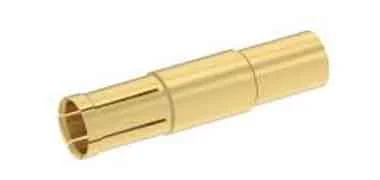
Precision Swiss CNC-turned center conductors for SMA, SMP, SMPM, MCX, MMCX, N-type, BNC, TNC, and 2.4mm / 2.92mm / 3.5mm RF connector families requiring tight dimensional control for 50Ω or 75Ω impedance geometry.

Machined PCB pin contacts for through-hole solder mounting and compliant press-fit PCB assembly produced from bar stock on Swiss CNC.
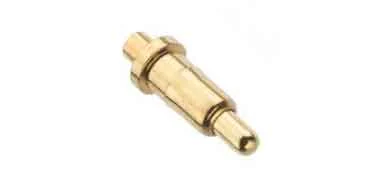
Swiss CNC-machined barrel, plunger, and tip assemblies for spring-loaded electrical contacts (pogo pins) used in ICT test fixtures, functional test, battery contacts, wireless charging contacts, and board-to-board interim connections.
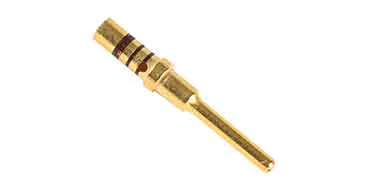
Precision Swiss CNC-machined contacts for MIL-SPEC circular and rectangular connectors, aerospace wiring harness systems, defense electronics, and medical device connector programs requiring full material and dimensional traceability.
Match the component to its operating environment, assembly interfaces and documentation requirements.

Machined terminals and contact pins for vehicle connectors, sensors, and switches. Specify mating geometry, current requirements, plating, and vibration exposure for the assembly.
Explore automotive machining
Custom pin and socket contacts for diagnostic equipment, instrument connectors, and device interfaces. Define contact finish, mating cycles, cleaning compatibility, and inspection records.
Explore medical machining
Machined probe tips, contact pins, and pogo-pin components for semiconductor test fixtures and equipment interfaces. Review tip geometry, contact resistance, wear, and plating requirements.
Explore semiconductor machining
Pin and socket contacts for aircraft wiring connectors, avionics, and instrumentation. Specify termination geometry, contact finish, material traceability, and drawing-specific inspection requirements.
Explore aerospace machining
Power and signal contacts for robot connectors, tool changers, and automated docking interfaces. Review alignment, repeated mating, contact force, and coating wear for the connection.
Explore robotics machining
Electrical connector pins and terminals for field instruments, sensors, and monitoring equipment. Confirm temperature exposure, corrosion conditions, insulation interfaces, and contact material requirements.
Explore oil & gas machiningMaterials
Copper and copper-alloy bar stock for Swiss-machined and turned electrical contacts. Match the grade and temper to conductivity, strength and contact geometry. Specify gold, silver, nickel or tin plating separately from the base material, and confirm the material and finish with your drawing.
A readily machined option for connector pins, socket bodies and terminals. Match conductivity and mechanical requirements to the application, and specify lead-content requirements, plating and any crimp features on the drawing.
High-conductivity copper for power pins, terminals and current-carrying contact bodies. Define the copper grade and temper, mating surfaces and plating allowance; current capacity depends on the complete contact and connector design.
Combines high electrical conductivity with improved machinability compared with unalloyed copper. Useful for turned power contacts and terminals with steps, bores or threads. Specify stock condition and the required contact finish.
A high-strength copper alloy for resilient socket contacts and contact components subject to repeated mating. Specify material temper, heat-treatment condition and contact geometry; spring force and service life require validation in the assembly.
A machinable phosphor bronze for turned pins and electrical connector parts where strength and wear resistance matter. Review conductivity, material condition and lead-content requirements against the specified contact design.
CuCrZr offers a balance of electrical conductivity, strength and resistance to softening at elevated temperatures. Consider it for loaded power-contact components, with heat-treatment condition, contact geometry and finishing agreed for the application.
Finish selection
Select the finish around the specified material, functional surfaces and service conditions. Confirm process details and acceptance requirements with your drawing.
The standard contact surface finish for low-level signal contacts in relays, connectors, and switches.
The best balance of cost, hardness, and corrosion stability for connector contacts that cannot use gold due to cost.
For maximum hardness (HV 800–900) and minimum wear in sliding contact applications.
For dry-circuit relay contacts with minimum contact resistance and maximum cycle life.
Corrosion protection and diffusion barrier undercoat for all precious metal plated contact bodies.
For low-cost, solderable contact surfaces in PCB-mounted contact assemblies.
Machining resources for drawing review, prototypes and repeat-production programs.
Inspection & documentation
Review material identity, machining datums, functional dimensions and production records for your component.
Final tolerances, inspection coverage and acceptance criteria are confirmed against your drawing, material and geometry.
Confirm the certificates, inspection reports and production records needed for your order when sharing your drawing.
The product range includes Machined Male Pin Contacts, Machined Female Socket Contacts, RF and Coaxial Center Contacts. Custom geometry is reviewed against the approved drawing.
For machined electrical contacts, material options include C36000 brass, C11000 or C10200 copper, C14500 tellurium copper, C17200 beryllium copper, C54400 phosphor bronze and C18150 chromium zirconium copper. Confirm the exact grade, stock form and temper against the drawing and contact function.
Define contact geometry, mating diameters and plating allowance, together with datums, tolerances and required surface condition.
Finishing options include gold (au) plating, palladium-nickel (pdni) plating, rhodium (rh) plating. Applicability is reviewed against the specified material and geometry.
Pricing and delivery are confirmed after reviewing the drawing, material availability, quantity, machining route, finishing and inspection scope.
CUSTOM CNC PARTS
Share your drawing or 3D model, material, critical dimensions, finish and order quantity. We’ll review the machining route, inspection scope and delivery requirements.
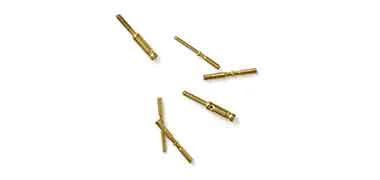 Electrical Connector
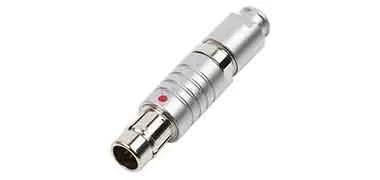 Custom Machined Connector Contacts
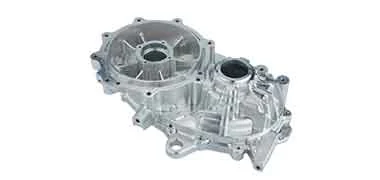 5-Axis Aluminum CNC Machining Parts
 5-Axis CNC Machining Aerospace Components