
Seal Groove Geometry as the Primary Quality Discipline
The seal groove is the most functionally critical feature on every hydraulic piston and the most common source of in-field hydraulic cylinder leakage attributable to machining quality.
Custom Hydraulic Cylinder Piston Machining made to your drawing. Review critical dimensions, datums and mating features, material, finishing and inspection requirements before production.
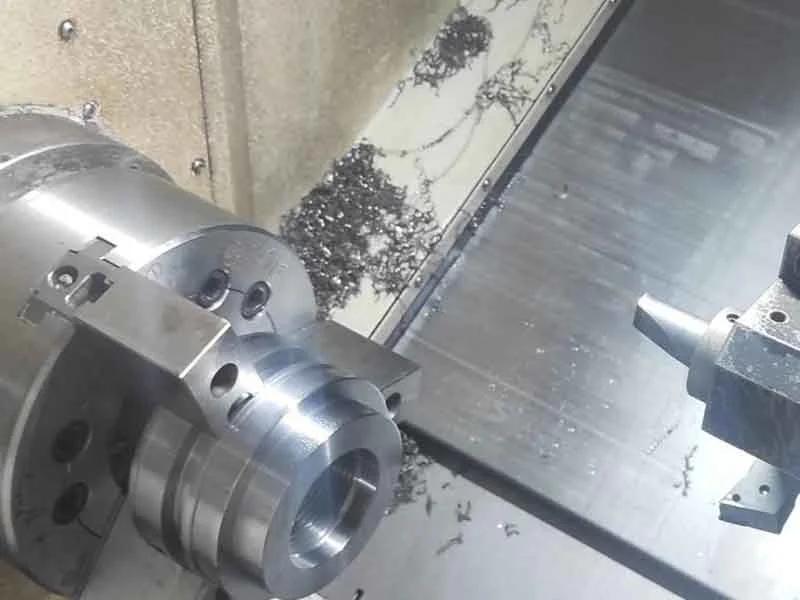
Cylinder piston machining encompasses three distinct precision requirements that together determine whether an assembled cylinder functions to specification.
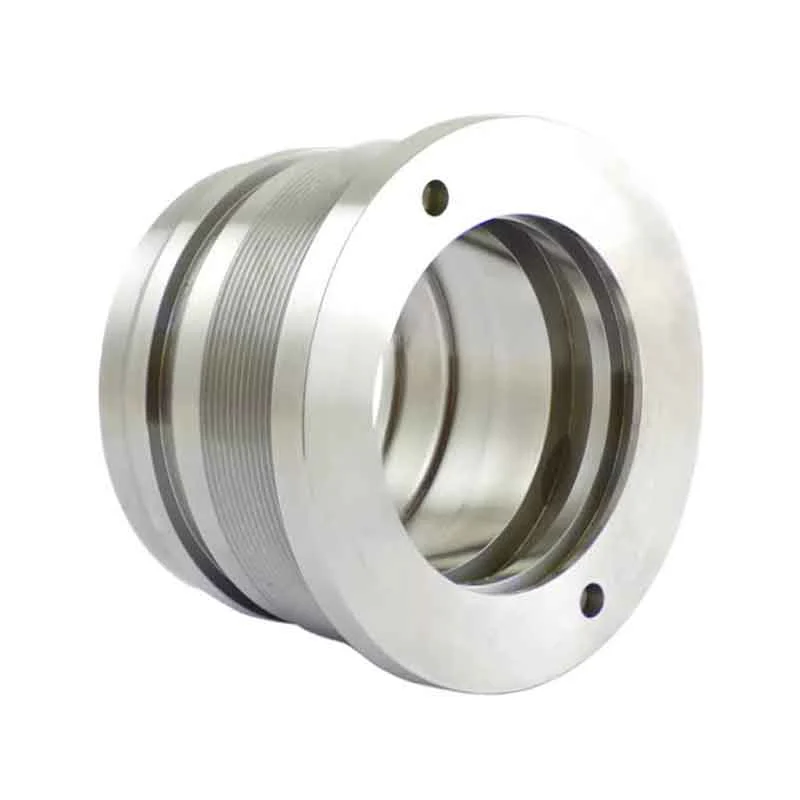
Coordinate geometry, material, finishing and inspection around the part's intended function.
The seal groove is the most functionally critical feature on every hydraulic piston and the most common source of in-field hydraulic cylinder leakage attributable to machining quality.
Rechucking a piston between OD turning and groove machining introduces ±0.010–0.030mm concentricity error between OD and groove positions — error that appears as groove depth variation around the circumference.
The piston OD seal contact surface requires Ra 0.2–0.4μm finish — smooth enough that dynamic piston seals develop a lubrication film without excessive oil film thickness.
Confirm material grade, delivery condition, finishing requirements and supporting records.
CNCPioneer delivers precision piston machining at 40–60% below US, European, and Japanese hydraulic component machining facilities at identical dimensional accuracy and IATF 16949 documentation.
Review critical dimensions, datums and mating features before choosing the machining and inspection route.
Explore representative configurations and share your drawing for a product-specific review.
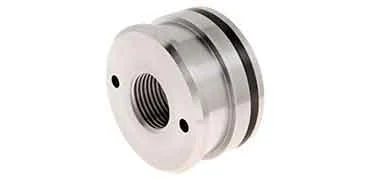
The most common hydraulic piston configuration — one-piece machined body with all seal grooves and connection features.
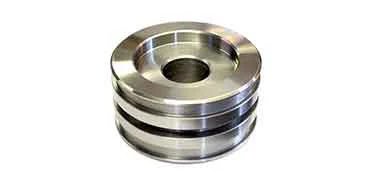
Pistons with different OD zones for differential-area applications or multi-stage pressure designs.
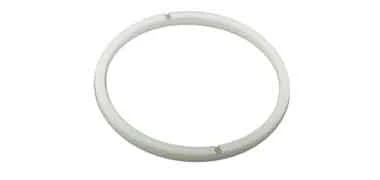
Pistons assembled from a machined steel body with separate PTFE or bronze wear rings pressed into external ring grooves — common in high-load, high-speed cylinder applications.
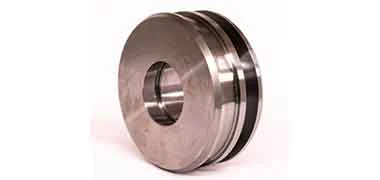
For mobile hydraulics, aerospace actuators, and weight-critical hydraulic systems.
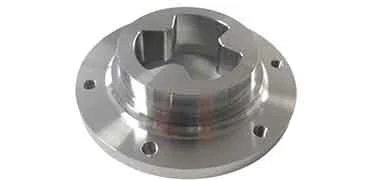
For hydraulic cylinders exposed to seawater, chemical splash, food processing wash-down, or other corrosive service environments.
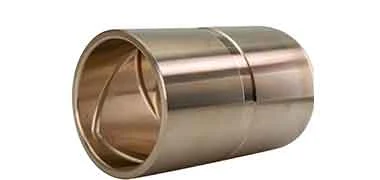
For hydraulic cylinders in applications with limited seal lubrication, low-speed high-load, or where elastomeric seals are replaced by metal ring designs.
Match the component to its operating environment, assembly interfaces and documentation requirements.

Hydraulic pistons for press, forming, clamping and automated handling cylinders. Review piston diameters, seal grooves and rod connections around the required motion, load and duty cycle.
Explore robotics machining
Hydraulic cylinder pistons for automotive production presses, assembly fixtures and lifting equipment. Machining follows your drawing, with seal groove geometry, wear surfaces and material condition reviewed for the application.
Explore automotive machining
Hydraulic pistons for oilfield equipment and valve actuation cylinders. Define seal profiles, operating fluid, material grade and corrosion protection against the specified pressure, temperature and service environment.
Explore oil & gas machining
Hydraulic pistons for rail vehicle leveling, steering and maintenance equipment. Review running clearances, seal grooves, wear resistance and inspection records against the cylinder drawing and operating cycle.
Explore railroad machining
Hydraulic actuator pistons for aircraft landing gear and support systems. Machining follows the approved drawing, with critical geometry, surface finish, material traceability and inspection scope agreed before production.
Explore aerospace machining
Hydraulic cylinder pistons for defense ground vehicles and support equipment. Specify material condition, seal interfaces, surface treatments and dimensional reports to match the assembly and service requirements.
Explore defense machiningMaterials
Confirm the exact grade, delivery condition and finish compatibility with your drawing.
Confirm the exact material grade, condition, heat-treatment requirements and certificates against the approved drawing.
Stainless steel options for corrosion-resistant components. Confirm the grade, delivery condition, surface finish and cleaning requirements.
Stainless steel options for corrosion-resistant components. Confirm the grade, delivery condition, surface finish and cleaning requirements.
Aluminum options for lightweight machined components. Confirm the alloy, temper, finishing allowance and critical assembly dimensions.
Bronze options for bearing and sliding components. Confirm the exact grade, mating fit, lubrication and operating conditions.
Brass options for precision turned threads and small components. Confirm the alloy, lead-content requirements and any plating allowance.
Finish selection
Select the finish around the specified material, functional surfaces and service conditions. Confirm process details and acceptance requirements with your drawing.
Review hard chrome plating against the material, functional surfaces and intended service conditions.
Uniform corrosion protection for hydraulic pistons in chemical, food processing, and offshore hydraulic systems where hard chrome corrosion resistance is insufficient.
Review type iii hard anodize against the material, functional surfaces and intended service conditions.
Review passivation against the material, functional surfaces and intended service conditions.
Mild corrosion protection for short-term storage and shipping; removed by hydraulic oil on first filling cycle.
Review nitriding against the material, functional surfaces and intended service conditions.
Machining resources for drawing review, prototypes and repeat-production programs.
Inspection & documentation
Review material identity, machining datums, functional dimensions and production records for your component.
Final tolerances, inspection coverage and acceptance criteria are confirmed against your drawing, material and geometry.
Confirm the certificates, inspection reports and production records needed for your order when sharing your drawing.
The product range includes Standard Single-Piece Hydraulic Pistons, Stepped and Multi-Diameter Pistons, Composite Piston Assemblies. Custom geometry is reviewed against the approved drawing.
Material options include Steel 4140 Alloy Steel, Steel 17-4PH H900 Stainless, Stainless 303. The exact grade and condition should be confirmed for your application.
Define critical dimensions, datums and mating features, together with datums, tolerances and required surface condition.
Finishing options include hard chrome plating, electroless nickel, type iii hard anodize. Applicability is reviewed against the specified material and geometry.
Pricing and delivery are confirmed after reviewing the drawing, material availability, quantity, machining route, finishing and inspection scope.
CUSTOM CNC PARTS
Share your drawing or 3D model, material, critical dimensions, finish and order quantity. We’ll review the machining route, inspection scope and delivery requirements.
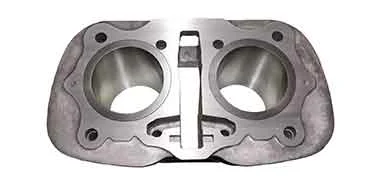 Hydraulic Cylinder Components
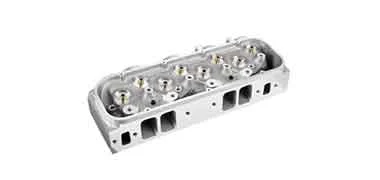 Cylinder Head CNC Machining
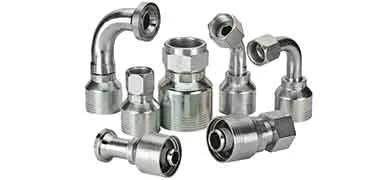 Hydraulic Fitting CNC Machining
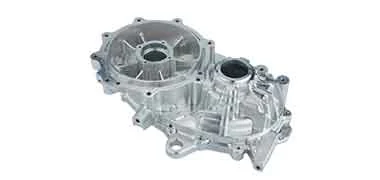 5-Axis Aluminum CNC Machining Parts