Railroad machining covers very different types of work, from maintaining rails and wheelsets to producing individual components for equipment assemblies. These jobs require different machines, inspection methods and supplier qualifications. A supplier of small turned parts should not be assumed to provide track maintenance or wheel reprofiling.
This guide focuses on custom machined pins, bushings, shafts, fittings and contact components. CNCPioneer reviews this component work through Swiss machining and CNC turning and milling. Rail grinding, wheelset repair, large bogie machining and heavy structural fabrication are outside the scope described here.
Which Railroad Components Fit This Machining Scope?
Start with the individual part drawing and its function in the assembly. The examples below identify questions for a manufacturing review; they do not establish approval for a particular rail application.
- Pins and small shafts: identify locating diameters, shoulders, cross-holes, retention features and the datum axis.
- Bushings and sleeves: define the bore, outside fit, wall thickness, locating faces and lubrication features where applicable.
- Threaded fittings: state the thread specification, sealing interface, material and required acceptance checks.
- Electrical contact components: specify contact geometry, material, plating and the interfaces used in the equipment assembly.
See the drawing requirements for machined pins, bearing bushings and connector pins. These are component examples rather than complete railway systems.
Swiss Machining or CNC Turning and Milling?
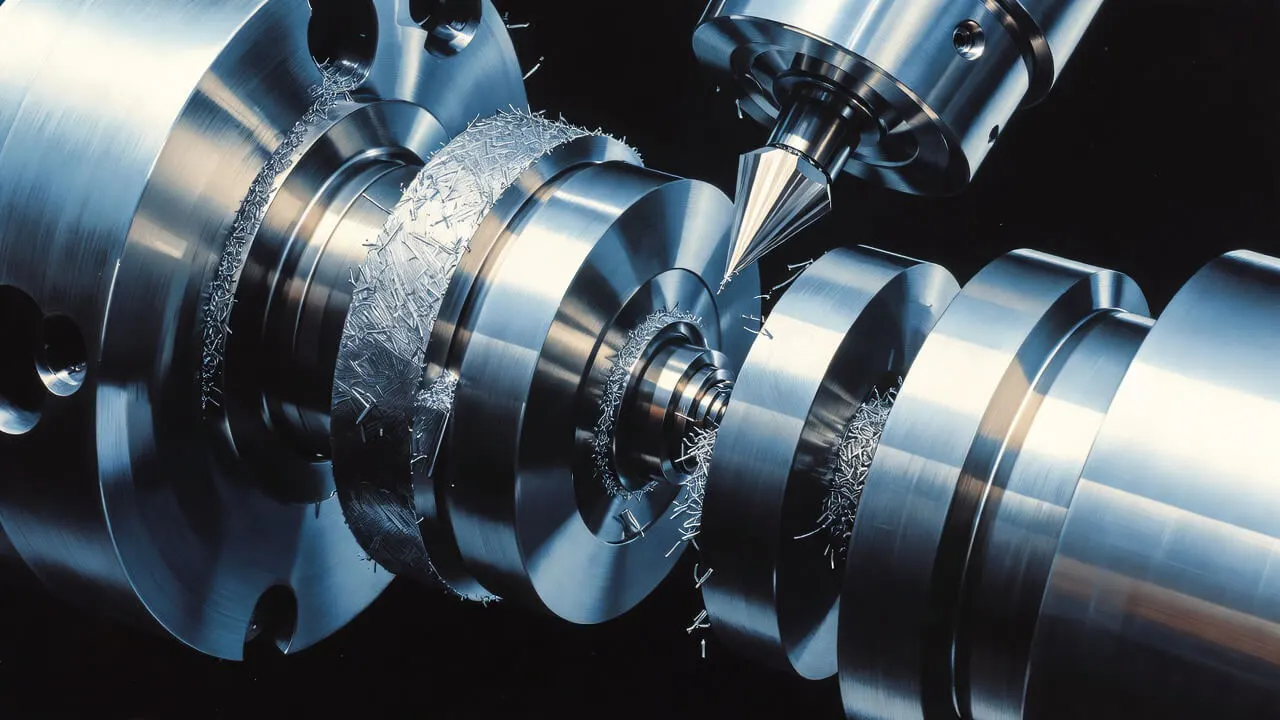
Swiss machining is a useful starting point for small bar-stock components with slender sections or repeated fine features. Review the largest diameter, length, stock condition and inspection access. Guide-bushing support can help control deflection, but it does not remove the need to assess the geometry and cutting sequence.
CNC turning and milling is worth reviewing for components combining turned surfaces with flats, slots or cross-holes. Tool access, workholding and the relationship between features determine the setup plan. Heat treatment, grinding or other secondary processing must be identified and confirmed separately where the drawing requires it.
Define Material and Finish from the Application
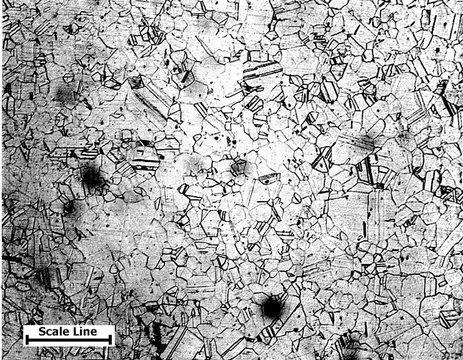
The customer specification should identify the material grade and condition, rather than only naming steel, stainless steel or bronze. Explain the relevant environment and interfaces: corrosion exposure, cleaning, lubrication, mating materials and required surface condition. The responsible designer should approve any proposed material substitution.
The stainless steel machining guide and bronze machining guide help frame material questions. A material choice alone does not establish component life, load capacity or suitability for a safety-related function.
Agree Inspection and Traceability Before Ordering
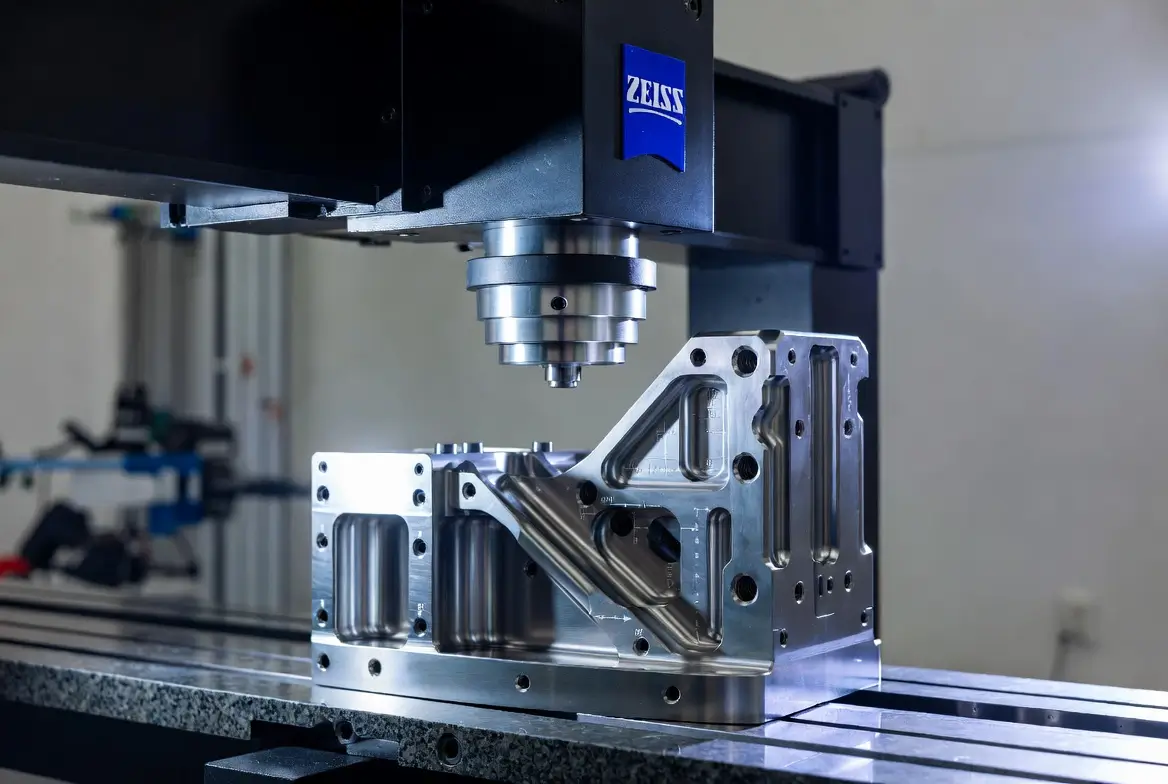
Mark functional dimensions and datums on the component drawing. Distinguish size limits from geometric requirements such as runout or position, and specify the acceptance condition after any treatment. A component with a close mating fit may require a different inspection approach from a threaded fitting or electrical contact.
- Identify which features require recorded measurements and how sampling will be agreed.
- State material-lot, marking, cleanliness and packaging requirements.
- Include any first-article, customer approval or supplier qualification requirements with the enquiry.
- Confirm the required documents and their scope in the quotation.
Industry use does not prove supplier certification. The project owner must confirm the applicable requirements and the suitability of the proposed manufacturing and inspection plan.
What to Send for a Component Quote
Provide the drawing revision, available 3D model, material condition, quantity and expected repeat demand. Include mating-part information, critical features, finish, inspection records and the target delivery date. If the enquiry contains several items, identify each supplied component separately.
For the wider component context, visit railway component machining. Use the machining quotation form to request a review of a specific pin, bushing, shaft or fitting.
Railroad Component Machining Questions
Do you provide railroad wheel or track machining?
The scope on this page is small custom machined components. Track grinding, rail reprofiling, wheelset repair and large structural rail work require specialist providers and are not offered through this component enquiry.
Can a generic tolerance be applied to every railroad part?
No. The drawing and functional requirements define the limits for each feature. Material, geometry, treatment and inspection conditions must be reviewed before acceptance.
Does a dimensional report approve a part for service?
A dimensional report records the agreed component checks. Assembly approval, service suitability and any additional validation remain separate requirements defined by the project owner.